Most tour operators are built around couples and small groups of four. We regularly do neither. Over 12 years we’ve taken family reunions of 20+ people spanning four generations, groups with wheelchairs and motorised scooters, and parties where the youngest guest was 4 and the oldest was well into their 80s — all on the same day, to the same destination. This is what that actually looks like, what works, and what to plan for honestly.
🎯 Key Takeaways
- Groups of 8–25+ people are something we handle regularly — multiple vehicles travelling together on one itinerary, not a compromise version of the tour.
- Mobility scooters and wheelchairs are genuinely accommodated on several of our most popular tours — with honest guidance on which destinations work best.
- Multigenerational groups (ages 4 to 80+) are one of our most common bookings — the itinerary and pace adjust to the group, not the other way round.
- We tell you honestly when a destination isn’t the right fit — some of Andalusia’s best sights involve steps, cobblestones, or steep gradients that we won’t pretend are fully accessible.
A family reunion, a milestone birthday trip, three generations travelling together on one holiday — these groups have specific needs that a standard two-person tour listing doesn’t address: enough vehicles to move everyone together, an itinerary that works for an 8-year-old and an 80-year-old on the same day, and honest guidance on which destinations actually accommodate wheelchairs and mobility scooters rather than vague reassurance that everything is “accessible.”
We get asked about this often enough that it’s worth addressing directly, with real examples rather than marketing language.
Table of Contents
A Real Example
“We booked 2 day trips with Costa. Our family of 23 ranging in age from 4 to 81. Two of my family members also use motorized scooters… Everyone had a great time.”
This is a genuine review from a family group we took on two separate day trips — 23 people, a 77-year age range within a single group, and two guests using motorised mobility scooters throughout. We planned the itinerary around the slowest-moving members of the group rather than the fastest, used multiple vehicles travelling together so everyone arrived and left at the same time, and built in enough flexibility that nobody felt rushed and nobody felt held back.
This is not an unusual booking for us. Large multigenerational families are one of our most consistent group types — more common, in fact, than the standard “couple on holiday” booking that most tour marketing assumes.
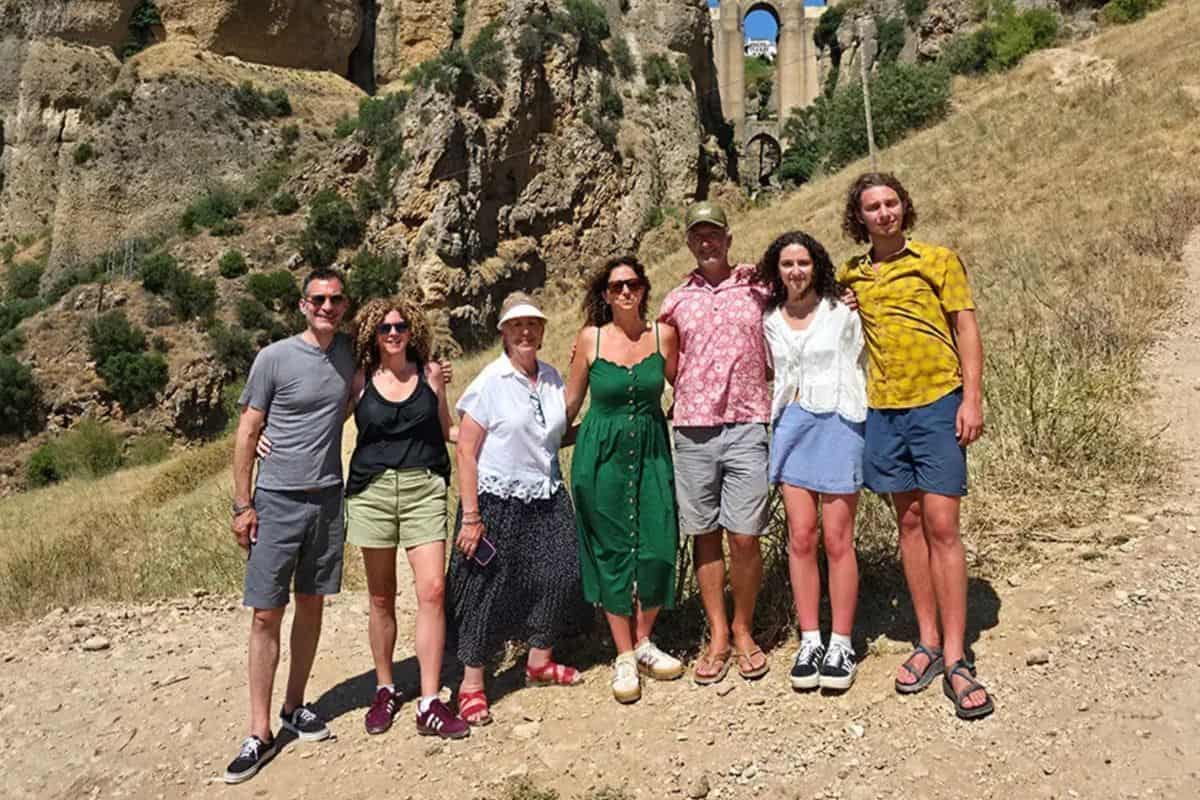
A group of tourists enjoying a guided tour at a famous Costa excursion site, highlighting cultural and scenic experiences.
How Large Groups Actually Work
Multiple vehicles, one itinerary
Our standard vehicles seat up to 7 passengers. For groups of 8–15, we typically arrange two vehicles travelling together on the same schedule — same stops, same timing, same guide-led commentary relayed across both vehicles. For groups of 16–25+, three or more vehicles, still moving as one coordinated group rather than splitting into separate, disconnected tours.
The key difference from a standard multi-vehicle group tour: everyone is still part of the same day. Families don’t get split into “the fast group” and “the slow group” — the whole party moves together, at a pace that works for everyone.
Pricing for larger groups
Larger groups are quoted based on the number of vehicles required rather than a flat per-person rate — contact us with your exact group size and we’ll put together a specific quote. As a rough guide, a group of 12–15 typically needs 2 vehicles, and 20–25 typically needs 3.
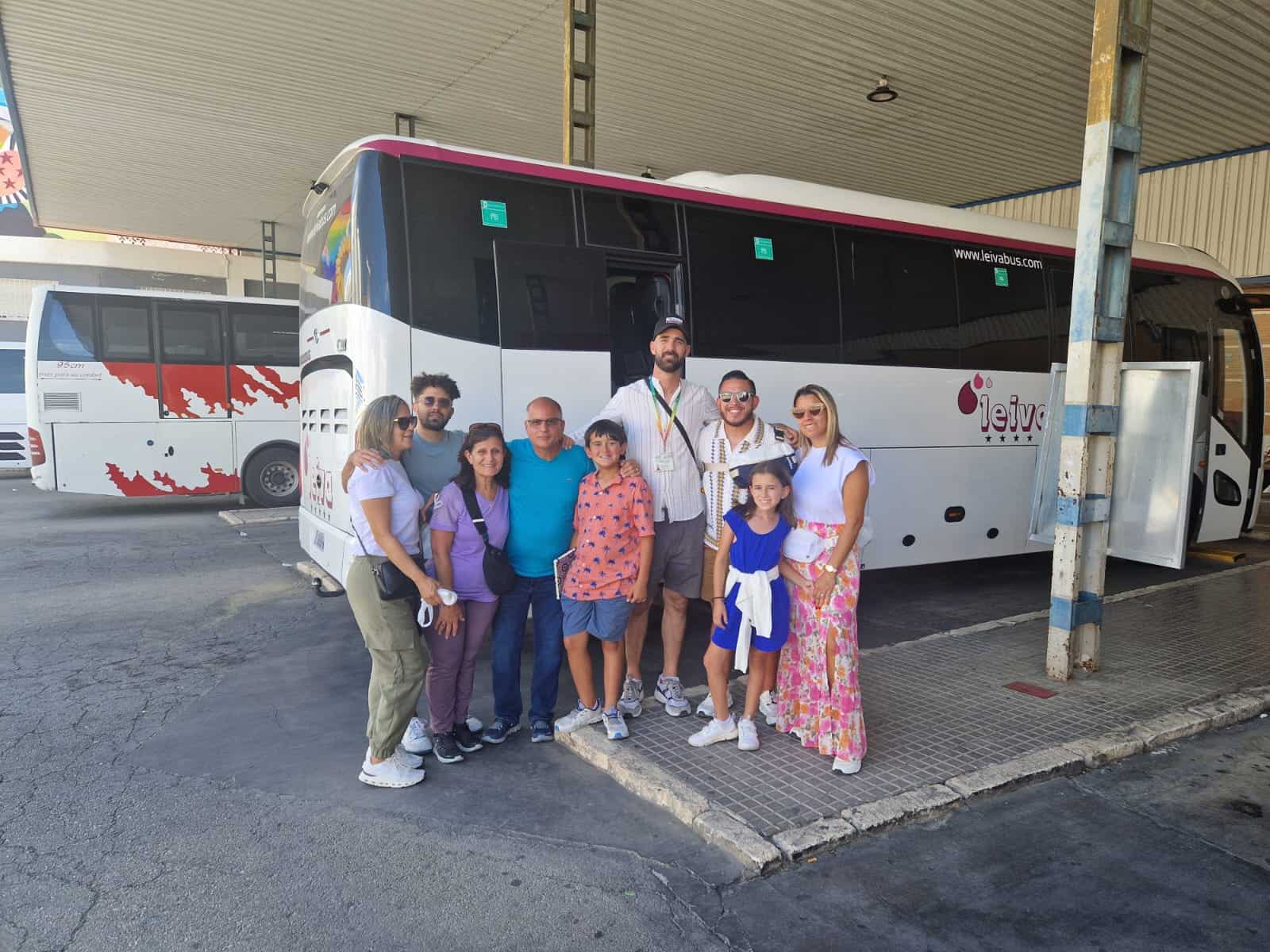
Tourists and guide preparing for a sightseeing tour with Costa Excursions in Costa del Sol.
Multigenerational Groups — Planning for Every Age
A tour that works equally well for a 6-year-old and a 75-year-old requires deliberate planning, not luck. A few things we do differently for multigenerational bookings:
- Longer, more flexible stops rather than a packed schedule — older guests and young children both benefit from unhurried pacing more than a checklist of sights.
- Realistic walking distances built into the plan — we know which parts of Ronda’s old town, Gibraltar’s Upper Rock, or Mijas involve steps or inclines, and we plan routes and rest points accordingly.
- Genuinely engaging content for children alongside the historical detail that older guests often want — the Casa del Rey Moro water mine in Ronda, for example, works brilliantly for children (a slightly scary, atmospheric descent into a cliff) and for adults interested in 14th-century siege engineering, at the same time.
- No pressure to keep pace with a fixed coach schedule — if grandparents need a longer rest, or children need a stop, the day adjusts. This is one of the clearest practical advantages of a private tour over a group coach excursion for exactly this kind of family.
Mobility Scooters and Wheelchairs — An Honest Guide
We’d rather tell you exactly what works and what doesn’t than promise universal accessibility and let you find out otherwise on the day. Here’s the honest picture, destination by destination:
✅ Generally accessible
- Gibraltar — the cable car and much of the Upper Rock viewing areas are accessible, though some specific viewpoints and the Great Siege Tunnels involve steps. Main Street in town is flat and easy.
- Mijas Pueblo — largely flat in the main square and central streets, with some gently sloped sections. One of our more accessible half-day options.
- Málaga city centre — mostly flat, paved streets around the Cathedral, Atarazanas Market, and Calle Larios. The Alcazaba involves a gradual uphill path with some steps.
⚠️ Partially accessible — some sections involve steps or uneven ground
- Ronda — the Puente Nuevo viewpoints and main old town streets are manageable, but the Casa del Rey Moro water mine (200+ steps) is not accessible, and some old town cobblestones are uneven. The Plaza de Toros and main squares are more manageable.
- Granada / the Alhambra — the site has made real accessibility improvements in recent years, with accessible routes through much of the Nasrid Palaces and Generalife gardens, though some original historic sections retain steps and uneven surfaces. Worth discussing your specific needs with us before booking so we can plan the exact route.
🔴 Not recommended for wheelchairs or mobility scooters
- Caminito del Rey — a narrow boardwalk with steps at points; not accessible for wheelchairs or mobility scooters, and not physically possible to adapt.
- Setenil de las Bodegas — extremely narrow, sloped streets built into the cliff; genuinely difficult for mobility devices.
If you’re travelling with a wheelchair or mobility scooter user, tell us at the time of enquiry — we’ll recommend the destinations that work best for your group and can plan routes at each location that minimise difficult sections. We won’t oversell a destination’s accessibility and let you discover the problem on the day.
What to Tell Us When Booking a Large or Multigenerational Group
- Total group size and age range
- Any mobility devices in use (wheelchair, scooter, walking aids)
- Any specific interests across the group — children’s interests vs. history-focused adults, for example, help us plan the commentary and stops
- Preferred pace — some large groups want a packed day, others want a relaxed one with long lunches
The more we know in advance, the better we can plan vehicle logistics, timing, and route around your specific group.
Planning a family reunion or multigenerational trip?
Tell us your group size, age range, and any mobility considerations and we’ll put together an honest recommendation — including which destinations work best and how we’d structure the day. WhatsApp us at +34 651 026 027 or browse all tours →
Frequently Asked Questions
Can you accommodate large groups of 15–25 people?
Yes — this is a booking type we handle regularly, using multiple vehicles travelling together on a single coordinated itinerary rather than splitting the group into separate tours. Groups of 12–15 typically require 2 vehicles, and 20–25 typically require 3. Contact us with your exact group size for a specific quote.
Can you accommodate wheelchairs or mobility scooters?
Yes, on several of our most popular tours. Gibraltar, Mijas Pueblo, and Málaga city centre are generally the most accessible options. Ronda and Granada are partially accessible with some sections involving steps or uneven ground. The Caminito del Rey and Setenil de las Bodegas are not accessible for wheelchairs or mobility scooters due to the physical nature of the sites. Tell us about any mobility devices when booking and we’ll recommend the best-fitting destinations and plan routes accordingly.
Do you offer tours for multigenerational family groups?
Yes — multigenerational family groups (spanning young children to elderly grandparents on the same trip) are one of our most consistent booking types. We plan pacing, walking distances, and stops around the whole group rather than a single age profile, and adjust the schedule flexibly rather than following a fixed timetable.
How much does a large group tour cost?
Pricing for groups over 7 people is based on the number of vehicles required rather than a flat per-person rate. Contact us with your group size, preferred destination, and dates for a specific quote.
Which destinations are most wheelchair or scooter friendly?
Gibraltar (Main Street and much of the Upper Rock via cable car), Mijas Pueblo (largely flat central streets), and Málaga city centre (flat paved streets around the Cathedral and Atarazanas Market) are the most accessible options. Ronda and Granada are partially accessible with some limitations. The Caminito del Rey and Setenil de las Bodegas are not suitable for wheelchairs or mobility scooters.