Table of Contents
Introduction
Your Ultimate Ronda Experience: Map, Guided Tours, and Must-See Attractions
Ronda is a beautiful town in Andalusia, known for its stunning landscapes and historic architecture. This guide will help you make the most of your visit, with tips on getting around and exploring the top attractions.
Ronda is located on a high plateau divided by the El Tajo gorge, offering breathtaking views that have inspired artists and poets. Its location has made it a blend of different cultures, with influences from Roman, Moorish, and Spanish civilizations.
Key Attractions and Experiences
When you’re in Ronda, there are several places you can’t miss:
- Puente Nuevo: This famous bridge spans the El Tajo gorge and provides spectacular views of the surrounding area. It’s not only an architectural wonder but also an important part of Ronda’s history.
- Plaza de Toros: One of Spain’s oldest bullrings, Plaza de Toros offers a glimpse into the traditional sport of bullfighting. Guided tours are available for those interested in learning more about its history.
- Arab Baths (Baños Árabes): These well-preserved baths showcase the Moorish influence on Ronda’s architecture and provide insight into the town’s past.
Ronda has much more to offer beyond these popular attractions. Exploring its narrow streets will lead you to hidden treasures like charming squares, ancient churches, and local shops filled with Andalusian crafts.
Exploring Ronda’s Neighborhoods
The town has different neighborhoods, each with its own unique vibe:
- San Francisco: Located near the Almocábar Gate, this area is bustling with shops, restaurants, and bars. It’s an ideal spot to experience local life.
- Calle Espinel: Also known as “La Bola,” this street is the commercial hub of Ronda. Here you’ll find lively tapas bars and local vendors selling everything from fresh produce to handmade crafts.
Culinary Delights
No trip to Ronda would be complete without indulging in its culinary delights. Andalusian cuisine is famous for its bold flavors and fresh ingredients. For an authentic experience, check out Entrelenguas, a culinary guide that highlights traditional dishes and recommends top restaurants and tapas bars in town.
Guided Tours
To truly immerse yourself in Ronda’s history and culture, consider joining one of the many guided tours available. Options range from walking tours that cover key historical sites to private group tours that offer personalized experiences tailored to your interests.
Day Trips from Malaga
Ronda’s close proximity to major cities like Malaga makes it an ideal destination for day trips. Whether you’re traveling by car or using convenient bus and train services, getting to Ronda is easy. Daily flights from Malaga also connect you to other parts of Europe if you’re planning an extended trip.
Unique Experiences Beyond Attractions
While Ronda’s main attractions are undeniably impressive, don’t miss out on unique experiences that go beyond sightseeing:
- Local Wine Tasting: Sample some of the region’s finest wines at local vineyards.
- Hiking Trails: Explore scenic trails around the El Tajo gorge for panoramic views.
- Cultural Events: Attend local festivals and events to experience authentic Andalusian traditions.
In essence, Ronda offers a blend of historical intrigue and natural beauty that promises an enriching travel experience. Use this guide to navigate your way through this enchanting town, ensuring you don’t miss out on any of its hidden treasures or must-see attractions. Prepare yourself for an unforgettable journey through one of Andalusia’s most picturesque towns.

Getting to Ronda
Ronda, located in the Andalusian province of Malaga, is a travel destination that offers not only stunning landscapes but also easy access from several major cities. Whether you’re coming from Malaga, Granada, or Seville, you’ll find various transportation options to suit your preferences and schedule.
Accessibility from Major Cities
Ronda’s strategic location makes it an ideal spot for day trips or extended stays when exploring southern Spain. Here’s how you can travel to Ronda from key nearby cities:
- Malaga: Just 45 minutes away by car, Malaga is one of the closest major cities to Ronda. The drive offers stunning views of the Andalusian countryside.
- Granada: Approximately a two-hour drive will take you from Granada to Ronda. This route is perfect for those who want to soak in more of the region’s historic sites along the way.
- Seville: A two-hour journey from Seville will bring you to Ronda. This drive allows you to experience a mix of urban and rural Spanish landscapes.
Transportation Options
To make your trip as smooth as possible, consider the following transportation methods:
Bus
Buses provide a convenient and cost-effective way to reach Ronda. Several companies operate daily services from major cities:
- From Malaga: Buses run frequently and take about 2 hours.
- From Granada: Expect a journey time of around 2.5 hours by bus.
- From Seville: The bus ride takes approximately 2 hours.
Using apps like Alsa or Movelia can help you book tickets and check schedules easily.
Train
Taking the train offers a comfortable alternative with scenic views along the route:
- From Malaga: Renfe operates trains that take about 2 hours.
- From Seville: A train journey lasts around 2 hours and provides picturesque glimpses of the Andalusian landscape.
The train station in Ronda is centrally located, making it convenient to start exploring as soon as you arrive.
Car Rental
For those who prefer flexibility and independence, renting a car might be the best option:
- Driving from Malaga: The fastest route is via A-357.
- Driving from Granada: Take A-92 towards Antequera before switching to A-367.
- Driving from Seville: Follow A-376 towards Utrera before transitioning onto A-374.
Car rentals are available at airports and city centers in Malaga, Granada, and Seville. Companies like Hertz, Avis, and Europcar offer competitive rates.
Daily Flights from Malaga to Europe
If you’re planning an international trip that includes Ronda on your itinerary, flying into Malaga Airport (AGP) can be particularly convenient. As one of Spain’s busiest airports, it offers daily flights connecting various European destinations:
- Direct flights are available from major hubs like London, Paris, and Berlin.
- Low-cost carriers such as Ryanair and EasyJet provide budget-friendly options.
- Upon arrival at Malaga Airport, you can choose between bus services, trains, or car rentals to complete your journey to Ronda.
Malaga Airport is well-equipped with amenities including car rental services, making it easy for travelers to pick up a vehicle upon arrival.
Choosing the right mode of transport depends on your personal preferences—whether it’s convenience through public transport or flexibility with a rental car. Whichever option you select, getting to Ronda is straightforward and filled with scenic beauty that enhances your travel experience.

Navigating Ronda: The Ultimate Map
Finding your way around Ronda is a key part of unlocking its many treasures. The Ronda map is an indispensable tool, giving you a clear layout of this captivating town divided by the dramatic El Tajo gorge.
Overview of the Ronda Map and Key Landmarks
A well-detailed map of Ronda will highlight both major landmarks and hidden gems. The town itself is split into two main parts:
- The Old Town (La Ciudad): Known for its narrow alleyways and white-painted residences.
- The New Town (El Mercadillo): Boasting wide streets, shopping areas, and modern amenities.
Key landmarks to look out for on your Ronda map include:
- Puente Nuevo: The iconic bridge connecting the old and new parts of the city.
- Plaza de Toros (The Bullring): One of Spain’s oldest and most revered bullrings.
- Baños Árabes (Arab Baths): Reflecting Moorish influence with their unique architectural style.
Highlighting Must-See Locations
Puente Nuevo
The Puente Nuevo is not just a bridge but a marvel of engineering and historical significance. Spanning the El Tajo gorge, it offers breathtaking views that are perfect for photography enthusiasts. You’ll find several viewpoints marked on the map, each offering a different perspective of this magnificent structure.
Plaza de Toros
Located in the heart of the new town, the Plaza de Toros is steeped in Spanish culture and tradition. Guided tours are available here, offering deep insights into its fascinating history. Make sure to check your map for nearby attractions like museums dedicated to bullfighting.
Baños Árabes
Situated near the old city walls, the Arab Baths are a must-see for those interested in Moorish architecture. These well-preserved baths give you a glimpse into the luxurious lifestyle during the Moorish rule. Your map will help you locate these baths easily and plan your visit accordingly.
Tips for Using the Map Effectively While Exploring
Navigating Ronda efficiently requires more than just knowing where things are; it’s about understanding how best to explore them.
Mark Your Starting Point: Identify where you are staying on the map first. This will be your reference point throughout your exploration.
Plan Your Route: Use the map to plan a logical route that hits all your main points of interest without backtracking excessively. For example:
- Start at Puente Nuevo.
- Move on to Plaza de Toros.
- End at Baños Árabes.
Look for Viewpoints: Maps often list viewpoints that offer stunning photo opportunities. In Ronda, these spots provide unparalleled views of both natural landscapes and architectural wonders.
Check Opening Hours: While planning your route, also note any opening hours mentioned on the map or guidebook to ensure you don’t miss out on visiting key attractions.
Identify Rest Stops: Locate cafes or parks where you can take breaks. Calle Espinel is known for its vibrant atmosphere with numerous tapas bars and local merchants—ideal for a mid-exploration snack or drink.
By keeping these tips in mind, your ultimate Ronda experience becomes not just feasible but enjoyable as well. With your map in hand, every turn in this historic town reveals something new and wonderful to explore.

Must-See Attractions in Ronda
Puente Nuevo
The iconic Puente Nuevo is more than just a bridge; it is the heart of Ronda’s historical and cultural identity. Built between 1759 and 1793, this architectural marvel spans the dramatic El Tajo gorge, connecting the old town with the newer part of Ronda. The bridge stands at an impressive 120 meters above the canyon floor, providing breathtaking views that are unparalleled.
Historical Significance
Puente Nuevo isn’t just an engineering feat; it served as a crucial link for trade and communication between different parts of the city. During its construction, many lives were lost, adding a somber element to its grandeur. The bridge’s central chamber was even used as a prison during the Spanish Civil War, making it a site of significant historical events.
Best Viewpoints and Photo Opportunities
To truly appreciate Puente Nuevo, you need to experience it from various vantage points:
- Mirador de Aldehuela: Located on the southern side of the gorge, this viewpoint offers panoramic views of the bridge and the surrounding landscape. It’s perfect for capturing wide-angle shots.
- Jardines de Cuenca: These terraced gardens situated along the cliff edges provide multiple viewing angles of Puente Nuevo. The lush greenery contrasts beautifully with the rugged stone of the bridge.
- El Balcón del Coño: A uniquely named viewpoint that provides heart-stopping views directly down into El Tajo gorge and up to Puente Nuevo from below.
- Restaurants with a View: Numerous eateries in Ronda offer dining experiences with stunning views of Puente Nuevo. Consider enjoying a meal at places like Albacara Restaurant or Don Miguel Restaurant, where you can savor local cuisine while soaking up unforgettable vistas.
Historical Sites in Ronda
Ronda is steeped in history, and beyond Puente Nuevo, several sites illustrate its rich past:
- Plaza de Toros: One of Spain’s oldest bullrings, this site is integral to understanding Spanish culture and tradition.
- Arab Baths (Baños Árabes): These well-preserved thermal baths offer insights into Moorish influence on Ronda’s architecture and daily life.
- Almocábar Gate: This ancient gateway served as a strategic entrance to Ronda’s old city and showcases medieval defensive architecture.
Additional Landmarks Worth Visiting
While exploring Ronda, make sure not to miss:
- Iglesia de Santa María la Mayor: This church combines Gothic and Renaissance architectural styles, reflecting centuries of history.
- Palacio de Mondragón: Once a royal residence, now a museum showcasing artifacts from Ronda’s varied historical periods.
- Museo Lara: A quirky yet fascinating museum displaying an eclectic collection ranging from witchcraft artifacts to vintage cameras.
Tips for Capturing Perfect Photos
To make your visit memorable:
- Golden Hour Magic: Early morning or late afternoon provides soft lighting that enhances the natural beauty and intricate details of structures like Puente Nuevo.
- Use Natural Frames: Utilize arches, windows, or tree branches as natural frames for your shots. This technique can add depth and focus to your photos.
- Experiment with Angles: Don’t be afraid to get creative with your perspectives. Low-angle shots can make structures appear more grandiose, while high-angle shots offer unique viewpoints.
Ronda is a treasure trove of historical sites waiting to be explored. Whether you’re interested in its monumental bridges or its ancient baths, each attraction tells a story that adds depth to your visit.
Almocábar Gate
Historical Context and Architectural Style
Almocábar Gate, also known as Puerta de Almocábar, is a powerful symbol of Ronda’s rich history. Built in the 13th century during the Nasrid dynasty, this impressive gate showcases the skill of Moorish builders. The name ‘Almocábar’ comes from the Arabic word “al-maqabir,” meaning cemetery, which reflects its closeness to ancient burial grounds.
Exploring Ronda’s History through Almocábar Gate
Visiting Almocábar Gate allows you to delve into Ronda’s past and discover its defensive strategies and urban planning. The gate is part of the original city walls that once protected Ronda from invaders. Its sturdy stone construction and intricate Islamic design elements represent the blend of practicality and beauty characteristic of that era.
Key Architectural Features:
- Twin Towers: Flanking the gate are two imposing towers, providing a vantage point for guards to survey approaching visitors.
- Horseshoe Arches: Characteristic of Moorish architecture, these arches add an elegant touch while ensuring structural integrity.
- Defensive Ramparts: Surrounding the gate are well-preserved ramparts that once served as lookout points and defensive barriers.
Role as an Entrance to the Old City
Almocábar Gate serves as the main entrance to Ronda’s old city, playing a crucial role in welcoming visitors into this historic part of Andalusia. As you walk through this ancient gateway, you are transported back in time to a place where narrow cobblestone streets and whitewashed houses tell stories of the past.
Navigational Tips after Entering Almocábar Gate
Once you enter through Almocábar Gate, here are some key streets and landmarks you can explore:
- Calle Espinel: This vibrant street is known for its lively atmosphere, filled with shops, cafes, and local businesses.
- Puente Nuevo: Just a short distance away from the gate lies Puente Nuevo, an iconic bridge that offers breathtaking views of Ronda’s gorge.
- Plaza de Toros: Another notable landmark nearby is Plaza de Toros, one of Spain’s oldest bullrings showcasing traditional Andalusian culture.
Cultural Significance
Almocábar Gate holds great cultural significance beyond being just an architectural relic. It stands as a testament to Ronda’s resilience and cultural blending throughout history. The gate has witnessed numerous historical events—ranging from medieval battles to contemporary festivities—making it an integral part of the town’s narrative.
Engaging with this landmark provides an opportunity to appreciate how historical stories are intertwined with architectural wonders. By exploring Almocábar Gate, you gain insights into Ronda’s strategic importance over centuries while also embracing its diverse heritage.
Visitor Insights for Exploring Almocábar Gate
Here are some tips for making the most out of your visit:
- Photography Opportunities: Don’t miss out on capturing stunning photographs! The gate offers excellent backdrops against Ronda’s picturesque landscape—perfect for Instagram-worthy shots.
- Guided Tours for In-depth Knowledge: Consider joining guided tours led by knowledgeable locals who can share fascinating anecdotes about both Almocábar Gate itself as well as its surrounding areas.
Ronda’s Almocábar Gate is more than just an entry point; it’s a portal into the soul of a town steeped in history and culture. Exploring this iconic structure provides you with not only visual delight but also a deeper understanding of Ronda’s strategic significance throughout centuries.
Calle Espinel
Calle Espinel, often referred to as “La Bola,” is the vibrant heart of Ronda, filled with life and cultural experiences. This bustling street offers a delightful mix of traditional Andalusian charm and modern conveniences, making it a must-visit for any traveler.
Vibrant Atmosphere
Walking down Calle Espinel, you’ll immediately notice the lively atmosphere that defines this central thoroughfare. The street is lined with:
- Tapas bars: Offering a unique opportunity to sample a wide variety of Spanish tapas, from classic patatas bravas to more adventurous dishes like pulpo a la gallega (Galician-style octopus).
- Local merchants: Selling everything from handmade crafts to fashionable clothing. These shops provide a chance to purchase authentic souvenirs and gifts.
The energy on Calle Espinel is infectious. Street musicians often perform, adding an auditory layer to the visual feast provided by the colorful shop fronts and bustling crowds.
Authentic Andalusian Cuisine
Experiencing the local cuisine is a must when visiting Ronda, and Calle Espinel offers some of the best options for tasting traditional Andalusian dishes. Here are a few recommendations for authentic dining experiences:
- El LechuguitaKnown for its affordable yet delicious tapas.
- Must-try dish: Tortilla de camarones (shrimp fritters).
- Bar AntonioA favorite among locals for its hearty meals.
- Must-try dish: Rabo de toro (oxtail stew).
- La TabernaOffers a more upscale dining experience with an emphasis on local ingredients.
- Must-try dish: Salmorejo (a thick, creamy tomato soup).
- Bodega San FranciscoFamous for its extensive wine list featuring local Ronda wines.
- Must-try dish: Chorizo al vino (chorizo in wine sauce).
These establishments not only serve mouthwatering food but also provide a glimpse into the culinary traditions that have shaped Andalusia’s rich gastronomic heritage.
Street Markets and Events
Calle Espinel frequently hosts street markets and events that showcase local culture. These markets are perfect for those looking to dive deeper into the local way of life:
- Weekly Farmers’ Market: Held every Saturday morning, offering fresh produce, cheeses, and other local delicacies.
- Annual Feria de Pedro Romero: A week-long festival that celebrates Ronda’s famous bullfighter Pedro Romero with parades, music, and dance.
Visiting during these times can enhance your experience as you get to witness firsthand the community spirit that makes Ronda special.
Architectural Highlights
While Calle Espinel is primarily known for its shopping and dining options, it also features several architectural gems:
- Modernist Buildings: Reflecting early 20th-century architecture with their distinct facades.
- Historic Churches: Such as Iglesia del Socorro, which stands majestically at one end of the street.
These structures add another layer of interest to your stroll along Calle Espinel, blending historical context with contemporary urban life.
Practical Tips
To make the most of your visit to Calle Espinel:
- Timing: Visit in the late afternoon or early evening when the street is most lively.
- Footwear: Wear comfortable shoes as you’ll likely spend several hours exploring.
- Language: While many shopkeepers speak basic English, learning a few phrases in Spanish can go a long way.
With its dynamic mix of shopping, dining, and cultural experiences, Calle Espinel encapsulates the essence of Ronda. Whether you’re savoring a bite at a tapas bar or browsing through artisan shops, this street promises an unforgettable experience steeped in Andalusian tradition and modern flair.

The Bullring (Plaza de Toros)
Significance of the Bullring in Spanish Culture
The Plaza de Toros in Ronda is one of the oldest and most important bullrings in Spain, a true symbol of Spanish culture. Built in 1785, it stands as a monumental piece of architecture that has witnessed centuries of bullfighting history. Unlike modern bullrings, Ronda’s Plaza de Toros is unique with its fully enclosed arena, complete with two levels of seating that can hold up to 5,000 spectators.
Bullfighting isn’t just an event; it’s deeply woven into the fabric of Spanish tradition and identity. The art of bullfighting, or tauromachia, combines athleticism, bravery, and a rich cultural heritage that dates back to Roman times. In Ronda, the bullring holds even more significance as it is the birthplace of modern bullfighting on foot, thanks to legendary matadors like Pedro Romero.
Guided Tours Available for Deeper Insights
For those looking to explore the history and cultural importance of this historic site, guided tours offer invaluable insights.
- Self-Guided Audio Tours: Available at the entrance, these tours allow you to explore at your own pace while listening to detailed explanations about various parts of the bullring and its history.
- Guided Group Tours: These tours are led by knowledgeable guides who vividly narrate stories about famous bullfighters and significant events that took place within these walls. They often include visits to the museum located within the complex.
- Private Tours: For a more personalized experience, private tours can be arranged. These tours offer exclusive access to certain areas and provide a more intimate understanding of the bullring’s significance.
Key Highlights of a Tour
- The Arena: Walk onto the sandy floor where matadors have faced bulls for centuries. Standing here provides an awe-inspiring sense of history and drama.
- The Stables: Visit the stables where bulls are kept before fights. This part of the tour gives you an idea of how these animals are cared for before they enter the ring.
- The Museum: The museum houses a fascinating collection of bullfighting memorabilia including costumes worn by famous matadors, vintage posters, and historical artifacts. You can also find detailed exhibits explaining the rules and rituals associated with bullfighting.
- The Chapel: Before stepping into the arena, matadors often visit this chapel to seek blessings. It’s a quiet space that underscores the gravity and danger involved in each fight.
Why Visit?
Visiting Plaza de Toros offers more than just a glimpse into bullfighting; it provides a broader understanding of Spanish culture.
The structure itself is an architectural gem with its grand arches and intricate design details.
Whether you’re a fan or a critic of bullfighting, experiencing this venue firsthand offers valuable perspective on why it remains such an integral part of Spanish heritage.
Exploring Plaza de Toros is essential for anyone interested in gaining a comprehensive understanding of Ronda’s cultural tapestry. This iconic landmark not only celebrates bravery but also serves as a living museum preserving centuries-old traditions.
By immersing yourself in its history through guided tours or simply walking through its storied halls, you’ll gain insights that enrich your appreciation for Ronda’s unique allure.
Arab Baths (Baños Árabes)
Exploring the Arab Baths in Ronda offers a deep dive into the town’s rich history and architectural grandeur. These baths, known as Baños Árabes, are among the best-preserved Moorish sites in Spain, providing a captivating glimpse into the past.
Fascinating History and Architecture
The Arab Baths were constructed during the 13th to 14th centuries when Ronda was under Moorish rule. These historical sites in Ronda showcase the advanced engineering and architectural prowess of the Moors. The baths served as a social hub where people gathered not only for hygiene but also for relaxation and socializing.
- Structure: The baths are divided into three main areas: the cold room (frigidarium), warm room (tepidarium), and hot room (caldarium). Each area had a specific purpose, contributing to the overall bathing ritual.
- Materials: Built using brick and stone, the baths feature horseshoe arches and star-shaped skylights that allow natural light to filter through, creating an ethereal atmosphere. The intricate tile work and carvings further enhance their aesthetic appeal.
- Functionality: Advanced heating systems were employed, with water being heated by furnaces and circulated through pipes beneath the floors. This system ensured a consistent temperature across different rooms.
Reflecting Moorish Influence
The Arab Baths reflect the profound impact of Moorish culture on Ronda. Their design and functionality are prime examples of Islamic architecture, emphasizing both utility and beauty.
- Cultural Significance: Bathing was an integral part of daily life in Moorish society, influenced by Islamic customs that prioritize cleanliness. These baths were not merely places for washing but also centers for community interaction and relaxation.
- Architectural Elements: Key features such as horseshoe arches, vaulted ceilings, and geometric patterns showcase typical elements of Moorish design. These elements are not only visually stunning but also functional, aiding in temperature regulation and structural integrity.
- Integration with Nature: The use of natural light through skylights and open spaces reflects a harmonious relationship with the environment, a hallmark of Moorish architecture.
Visiting the Arab Baths
When visiting Ronda, exploring the Arab Baths is essential for understanding the town’s historical tapestry. Located near Puente Viejo (Old Bridge), they are easily accessible on foot.
- Guided Tours: To fully appreciate their historical significance, consider taking a guided tour. Knowledgeable guides provide insights into their construction, usage, and cultural context.
- Photography Tips: The interplay of light and shadow within these baths makes them a photographer’s delight. Capture the intricate details of arches and skylights during different times of day to see how sunlight transforms these spaces.
- Nearby Attractions: After visiting the baths, explore other nearby historical sites such as Puente Viejo, which further enriches your understanding of Ronda’s multifaceted history.
Practical Information
For those planning a visit:
- Opening Hours: Typically open daily with varying hours depending on season
- Admission Fees: Reasonably priced with discounts available for students and seniors
- Accessibility: Most areas are accessible; however, some parts may have uneven flooring due to their age
By delving into these aspects of the Arab Baths in Ronda, you gain more than just an appreciation for ancient architecture; you connect with a pivotal era that shaped much of what Andalusia is today.
Exploring Neighborhoods in Ronda
Ronda is a town of contrasts, with each neighborhood offering a unique slice of its rich cultural tapestry. When you explore neighborhoods in Ronda, you’ll uncover a variety of experiences that contribute to the town’s charm.
The Old Town (La Ciudad)
The Old Town is the heart of Ronda’s history. Characterized by narrow alleyways and white-painted residences, this area takes you back in time.
- El Tajo Gorge: Dividing the old and new parts of Ronda, this dramatic gorge is a natural marvel.
- Historical Landmarks: From ancient city walls to palaces like the Palacio de Mondragón, the Old Town is steeped in history.
- Cultural Museums: Visit museums such as the Museo Lara and Museo del Bandolero for a dive into local heritage.
The New Town (El Mercadillo)
On the other side of El Tajo Gorge lies the New Town. This area is bustling with modern amenities yet retains its Andalusian spirit.
- Puente Nuevo: The iconic bridge connecting the old and new parts of Ronda offers breathtaking views.
- Shopping Streets: Calle Espinel (also known as ‘La Bola’) is filled with shops selling everything from fashion to souvenirs.
- Modern Conveniences: Numerous cafes, restaurants, and bars make it easy to relax after a day of exploring.
San Francisco Neighborhood
Situated near the Almocábar Gate, the San Francisco neighborhood blends historical elements with contemporary charm.
Highlights:
- Shops: Local boutiques offer unique items that reflect Ronda’s artisan culture.
- Restaurants: Enjoy a variety of dining options that highlight Andalusian cuisine. Popular spots include:
- Casa María: Known for its traditional Andalusian dishes.
- De Locos Tapas: Offers creative tapas in an intimate setting.
- Bars: Quaint bars like Bar El Convento provide an authentic local experience.
Barrio de Padre Jesús
This neighborhood offers a quieter experience compared to the bustling central areas.
- Churches and Chapels: Notable religious sites such as the Iglesia de Padre Jesús provide spiritual and historical insights.
- Local Markets: Weekly markets here are perfect for buying fresh produce and local delicacies.
- Green Spaces: Small parks offer relaxing spots to unwind.
La Dehesa
Located on the outskirts, La Dehesa provides a more rural atmosphere.
- Hiking Trails: Ideal for nature lovers who want to explore scenic routes around Ronda.
- Vineyards: Visit local vineyards to sample some exquisite Ronda wines.
- Agricultural Tours: Learn about traditional farming techniques and organic produce cultivation.
Exploring these neighborhoods will enrich your understanding of Ronda’s diverse culture. Each area has its own unique features that contribute to your ultimate Ronda experience: map, guided tours, and must-see attractions should be on your list to ensure no detail is missed.
Culinary Delights: Taste of Andalusia
Entrelenguas Culinary Guide for Traditional Andalusian Dishes and Recommended Restaurants/Tapas Bars
Ronda is a haven for food enthusiasts. The local cuisine in Ronda captures the essence of Andalusian culinary traditions, making it a must-visit for those eager to indulge in authentic flavors. One resource that stands out for guiding visitors through this gastronomic journey is Entrelenguas.
Entrelenguas is more than just a culinary guide. It provides an immersive experience, offering insights into the rich tapestry of Andalusian cuisine. This resource takes you beyond the conventional dining spots, leading you to hidden gems where you can savor traditional dishes made from locally sourced ingredients.
Must-Try Traditional Andalusian Dishes
Exploring Ronda’s culinary landscape means diving into a variety of dishes that reflect the region’s history and culture.
- Gazpacho: This cold tomato soup, often served with diced vegetables and bread, is perfect for Ronda’s warm climate.
- Salmorejo: A thicker cousin of gazpacho, salmorejo features a creamy texture and is typically garnished with hard-boiled eggs and Serrano ham.
- Rabo de Toro: A slow-cooked oxtail stew that showcases the depth of flavor achievable with simple ingredients.
- Pescado Frito: Lightly battered and fried fish, usually accompanied by lemon wedges and perfect for a light yet flavorful meal.
- Migas: Originally a peasant dish, migas consists of fried breadcrumbs mixed with garlic, chorizo, peppers, and sometimes grapes or other fruits.
Recommended Restaurants and Tapas Bars in Ronda
When it comes to dining in Ronda, the options are plentiful. Here are some top recommendations by Entrelenguas:
- Casa MaríaSpecialty: Offers no fixed menu; instead, they serve what’s fresh and available that day.
- Must-Try: Their seasonal tapas platter.
- De Locos TapasAtmosphere: Intimate setting with a creative twist on traditional tapas.
- Highlight: Known for its innovative dishes like black pudding croquettes.
- TragataAmbiance: Modern vibe with an open kitchen concept.
- Signature Dish: Tuna tartare with avocado and soy sauce.
- El LechuguitaExperience: Classic tapas bar where locals gather for quick bites.
- Popular Choice: Their mini sandwiches (bocadillos) are legendary among regulars.
- Taberna El AlmacénCharm: Rustic decor with an extensive wine list featuring local vineyards.
- Recommended Dish: Pork cheeks (carrillada) cooked in red wine.
- Bodega San FranciscoLocation: Situated near the Almocábar Gate in the historic district.
- Dish to Try: Grilled meats paired with robust local wines.
Wine Tasting Experiences
Ronda’s culinary delights are incomplete without experiencing its wine culture. The region boasts several vineyards producing high-quality wines that complement its gastronomy perfectly.
- Descalzos Viejos Winery: Located in a former monastery, this vineyard offers stunning views along with tours that include tastings of their exceptional reds and whites.
- Bodega Joaquin Fernandez: A family-run vineyard known for its organic farming practices. Their tasting sessions often feature tours through their scenic vineyards.
Cooking Classes and Food Tours
For those who wish to take a piece of Ronda back home, participating in cooking classes or food tours can be incredibly rewarding.
- Entrelenguas Cooking Classes: Learn how to create traditional Andalusian dishes under the guidance of experienced chefs.
Discovering Guided Tours in Ronda
Types of Guided Tours Available
Walking Tours
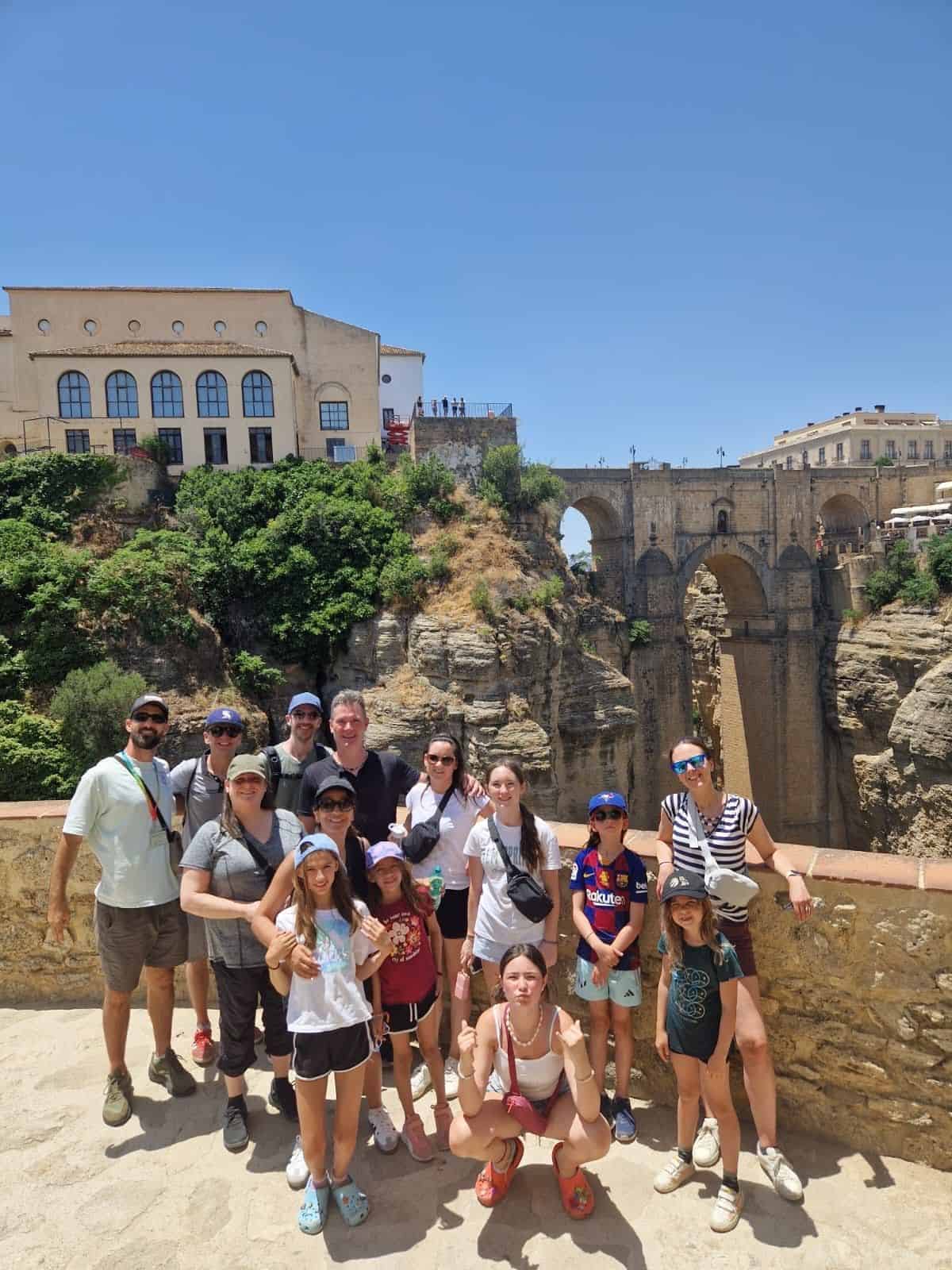
Walking tours offer an intimate way to explore Ronda’s charming streets and historical landmarks. They are perfect for those who enjoy immersing themselves in the local culture at a leisurely pace.
- Historical Walking Tour: This tour typically covers key sites like Puente Nuevo, the bullring, and Almocábar Gate. Knowledgeable guides provide deep insights into Ronda’s rich history.
- Gastronomic Walking Tour: Ideal for food lovers, this tour includes visits to local markets, tapas bars, and restaurants. Expect to sample some of the finest Andalusian cuisine.
- Nature Walks: These tours focus on the natural beauty surrounding Ronda, including hikes around El Tajo gorge and visits to nearby vineyards.
Private Group Tours
Private group tours offer a more personalized experience. These tours can be customized based on your interests and schedule.
- Customized Itineraries: Private tours allow you to tailor the itinerary to your preferences, whether you want to focus on historical sites, culinary experiences, or natural landscapes.
- Exclusive Access: Some private tours provide access to areas that are not open to the general public, such as private wine tastings or behind-the-scenes visits at cultural institutions.
- Flexible Timing: With a private guide, you can set your own pace and spend more time at the attractions that interest you most.
Highlights of Private Tours
Private guided tours in Ronda come with several benefits that enhance your travel experience.
- Personalized Attention: Your guide will focus solely on your group, providing detailed information and answering any questions you may have.
- Comfort and Convenience: Private transportation options can be arranged, ensuring a comfortable journey between attractions.
- In-depth Insights: Private guides often have specialized knowledge about specific aspects of Ronda’s history and culture, offering deeper insights than standard tours.
Notable Tour Operators
Several reputable tour operators offer services for guided tours in Ronda. Here are some notable ones:
- Costa Excursions: Known for their high-quality private day tours from Malaga and Marbella. They offer customized itineraries that include must-see attractions in Ronda.
- Extraordinary Tour: Specializes in private group tours across Malaga and Costa del Sol. Their offerings include exclusive experiences tailored to your interests.
- Entrelenguas: Offers unique cultural experiences with a focus on authentic Andalusian cuisine and local traditions. Their tours are designed to immerse you in the local lifestyle.
Benefits of Guided Tours
Guided tours provide an enriching way to explore Ronda. Here are some benefits:
- Expert Knowledge: Guides bring history to life with fascinating stories and facts about each site.
- Seamless Experience: Logistics such as transportation and entry tickets are handled by the tour operator, allowing you to relax and enjoy your visit.
- Enhanced Understanding: Learn about Ronda’s complex history, cultural significance, and architectural marvels from experts who know the town inside out.
Guided tours in Ronda offer diverse options that cater to different interests and preferences. Whether you’re fascinated by history, eager to taste local cuisine, or looking for a personalized adventure, there’s a guided tour that will make your visit unforgettable.
Notable Tour Operators Offering Services for Private Group Tours in Malaga & Costa del Sol
For those looking to explore Ronda and its surroundings in more detail, guided tours are a valuable resource. Several well-known tour operators specialize in private group tours in Malaga and the Costa del Sol, ensuring a personalized and enriching experience.
1. Costa Excursions
Costa Excursions is known for offering high-quality tours at affordable prices. They provide a variety of options tailored to different interests:
- Private Day Tours: Explore Ronda, Marbella, Mijas, and enjoy a day trip to Reservatauro.
- Custom Tours: Design your own itinerary with the help of their experienced travel planners.
- Shore Excursions: Perfect for cruise passengers docking at Malaga Port.
Contact Details:
Phone: +34 651 026 027
Hours: Mon – Fri 9.00 – 18.00, Sunday CLOSED
2. Best Shore Excursions
For cruise goers looking to maximize their time on shore, Best Shore Excursions offers tailored packages that highlight the best of Ronda:
- Half-Day Shore Excursions: Perfect for those with limited time.
- Full-Day Trips: Comprehensive tours that cover all major attractions.
- Private Transfers: Ensure comfort and convenience with door-to-door service from Malaga Port.
They prioritize flexibility and customization, making it easy to tailor your tour according to your schedule.
Why Choose Guided Tours?
Opting for guided tours in Ronda enhances your visit by providing:
- Expert Knowledge: Gain insights into local history, culture, and hidden spots that you might miss on your own.
- Personalized Experience: Tailored itineraries ensure that your interests are prioritized.
- Convenience: Save time with well-organized tours that handle all logistics.
These notable tour operators offer diverse options to suit various preferences, ensuring that your ultimate Ronda experience is both enriching and unforgettable.

Ronda bridge
Day Trips from Malaga to Ronda
A day trip from Malaga to Ronda offers a perfect blend of convenience and adventure, allowing you to explore one of Andalusia’s most picturesque towns without the need for an overnight stay. Situated just 45 minutes away from Costa del Sol and around 2 hours from Granada and Seville, Ronda is easily accessible and promises a memorable experience.
Transportation Options
When planning your day trip, consider the following transportation options:
- By Car: Renting a car provides the flexibility to explore at your own pace. The drive from Malaga to Ronda takes about 1 hour and 30 minutes via the A-357 and A-367 highways. Scenic routes offer breathtaking views of the Andalusian landscape.
- By Bus: Regular bus services operate between Malaga and Ronda. The journey takes approximately 2 hours, with buses departing from Malaga’s central bus station.
- By Train: Trains run daily from Malaga’s María Zambrano station to Ronda, taking around 2 hours. This option provides a comfortable and scenic journey through the Andalusian countryside.
Key Highlights for Your Day Trip
Puente Nuevo
The iconic Puente Nuevo bridge is a must-see landmark in Ronda. Spanning the El Tajo gorge, this architectural marvel offers stunning views of the surrounding landscape. Capture breathtaking photos from various viewpoints along the edge of the gorge.
Plaza de Toros
Ronda’s bullring, Plaza de Toros, holds significant cultural importance in Spain. As one of the oldest bullrings in the country, it offers guided tours that provide deep insights into its history and the tradition of bullfighting.
Arab Baths (Baños Árabes)
Explore the well-preserved Arab Baths, dating back to the 13th century. These baths reflect Ronda’s Moorish influence and offer a fascinating glimpse into medieval Islamic architecture and culture.
Exploring Ronda’s Old Town
Delve into Ronda’s rich history by wandering through its charming old town:
- Almocábar Gate: Serving as an entrance to the old city, this historic gate showcases intricate architectural details.
- Calle Espinel: Known for its vibrant atmosphere, Calle Espinel is lined with tapas bars and local merchants offering authentic Andalusian cuisine.
Culinary Experiences in Ronda
Indulge in traditional Andalusian dishes at some of Ronda’s best eateries:
- Entrelenguas: This culinary guide highlights top restaurants and tapas bars where you can savor local specialties such as tapas, gazpacho, and jamón ibérico.
- Local Wines: Sample local wines produced in nearby vineyards, which contribute significantly to Ronda’s economy.
Guided Tours for Enriched Experiences
Opting for a guided tour can enhance your day trip experience:
- Walking Tours: Explore Ronda’s key attractions on foot with knowledgeable guides who share historical anecdotes.
- Private Group Tours: Personalized experiences tailored to your interests ensure a deeper understanding of Ronda’s cultural heritage.
Unique Neighborhoods
Discover different neighborhoods that add character to this historic town:
- San Francisco Neighborhood: Known for its shops, restaurants, and bars, this area provides a taste of local life.
Rounding off your day trip with visits to these unique spots ensures that you capture the essence of what makes “Your Ultimate Ronda Experience” truly unforgettable. With its rich history, vibrant culture, and scenic beauty, a day trip from Malaga to Ronda is an adventure worth embarking on.
Unique Experiences Beyond the Attractions
Ronda’s Wine Region
Ronda’s wine region offers an extraordinary experience for wine enthusiasts. The local vineyards and wineries, such as Bodega Joaquín Fernández and Descalzos Viejos, provide an opportunity to explore Andalusian viticulture. You can take guided tours of these vineyards, learn about the winemaking process, and taste some of the finest local wines.
- Bodega Joaquín Fernández: Known for its organic wines and sustainable practices.
- Descalzos Viejos: Situated in a converted monastery with stunning views over the countryside.
Adventure Activities
For those seeking adventure, Ronda offers a range of outdoor activities. The dramatic landscapes around the town are perfect for various excursions.
- Hiking: Trails such as the Camino de los Molinos offer breathtaking views of El Tajo gorge.
- Rock Climbing: Ronda’s cliffs provide numerous climbing routes for different skill levels.
- Paragliding: Experience panoramic vistas from above with professional paragliding services.
Cultural Workshops
Immerse yourself in Ronda’s rich cultural heritage by participating in local workshops. These experiences offer hands-on learning and a deeper understanding of Andalusian traditions.
- Flamenco Dance Classes: Learn the passionate and rhythmic art of flamenco dancing from local experts.
- Cooking Workshops: Discover how to prepare authentic Andalusian dishes using traditional methods and fresh ingredients.
“Your Ultimate Ronda Experience: Map, Guided Tours, and Must-See Attractions” would be incomplete without indulging in these unique cultural activities.
Local Festivals
Ronda is home to several vibrant festivals that showcase its unique culture. Attending these events can provide unforgettable memories and insights into local traditions.
- Feria de Pedro Romero: Celebrated in September, this festival includes bullfighting events, parades, and traditional music.
- Semana Santa (Holy Week): Held during Easter week with elaborate processions through the streets of Ronda’s old town.
Exploring Hidden Gems
Beyond the well-known attractions, Ronda has several lesser-known spots that are worth exploring.
- Casa del Rey Moro Gardens: A hidden gem featuring historic gardens and underground water mines.
- Palacio de Mondragón: A small but beautiful palace museum showcasing Moorish architecture and local history.
Horseback Riding Tours
Experience the stunning landscapes around Ronda on horseback. Various tour operators offer guided horseback rides through the countryside, providing a unique perspective on the area’s natural beauty.
- Equestrian Centre El Rocío: Known for its well-trained horses and experienced guides.
- Caballos y Vino Tours: Combine horseback riding with visits to local wineries for an immersive experience.
Artisan Shops
Ronda’s artisan shops offer unique souvenirs that reflect the town’s rich cultural heritage. From hand-crafted leather goods to exquisite ceramics, you’ll find many treasures to take home.
- Taller de Arte Rupestre y Cerámica (TARQ): Specializes in ceramics inspired by ancient cave paintings found in the region.
- La Casa del Jamón y Más Artesanía Andaluzas: Offers a variety of local crafts including hand-made leather products and traditional Andalusian items.
By engaging in these diverse activities, you enrich your visit beyond the main attractions, ensuring that “Your Ultimate Ronda Experience” is truly unforgettable.
FAQs (Frequently Asked Questions)
What are the main attractions to see in Ronda?
Ronda is home to several must-see attractions, including the iconic Puente Nuevo bridge, the historic bullring, the Almocábar Gate, and the fascinating Arab Baths. Each site offers a unique glimpse into Ronda’s rich culture and history.
How can I get to Ronda from major cities like Malaga or Seville?
You can easily reach Ronda by various transportation options such as buses, trains, or car rentals. Additionally, there are daily flights from Malaga to other European destinations for those traveling internationally.
What is the significance of Puente Nuevo in Ronda?
Puente Nuevo is not only an architectural marvel but also holds historical significance as it connects the old and new parts of Ronda. It offers stunning viewpoints and is one of the most photographed landmarks in the town.
What culinary experiences can I find on Calle Espinel?
Calle Espinel is known for its vibrant atmosphere filled with tapas bars and local merchants. Visitors can enjoy authentic Andalusian cuisine and discover a variety of traditional dishes in this bustling street.
Are there guided tours available in Ronda?
Yes, Ronda offers various guided tours including walking tours and private group tours. These tours provide deeper insights into the town’s history and culture, with notable operators available for personalized experiences.
What unique experiences does Ronda offer beyond its attractions?
Beyond its famous attractions, Ronda offers unique experiences such as exploring different neighborhoods with their distinct features, enjoying local culinary delights, and engaging in cultural activities that reflect its rich heritage.