Are you dreaming of a getaway that combines breathtaking scenery, rich history, and vibrant culture, but dread the sweltering summer crowds? Discover why fall and winter are the secret seasons for visiting Southern Spain, where pleasant weather and fewer tourists create an idyllic escape. From exploring iconic landmarks like the Alhambra to immersing yourself in local festivities, this article unveils the unique benefits of timing your visit just right. Don’t miss out on the unforgettable experiences waiting for you in this enchanting region!
⚡ TL;DR
Fall and winter are the prime seasons to visit Southern Spain, offering mild weather, fewer crowds, and lower costs. Travelers can enjoy unique cultural festivities, stunning autumn landscapes, and discounted accommodations while exploring iconic sites like the Alhambra and vibrant cities like Seville. Experience the region’s charm without the summer rush for a truly enriching getaway.
Table of Contents
Introduction
Southern Spain captivates travelers with its rich history, stunning landscapes, and vibrant culture. From the breathtaking Alhambra in Granada to the lively streets of Seville, this region offers a multitude of experiences. Timing your visit can significantly enhance your travel experience.
Why Fall and Winter Are the Best Times to Visit Southern Spain
- Pleasant Weather: Escape the extreme summer heat and enjoy mild, comfortable temperatures.
- Fewer Crowds: Experience popular attractions without the overwhelming crowds typical of peak tourist seasons.
- Lower Costs: Take advantage of discounted flights and accommodations during these off-peak months.
- Cultural Festivities: Immerse yourself in local festivals and Christmas markets that are unique to these seasons.
This article delves into why fall and winter are ideal for visiting Southern Spain. You’ll learn about:
- The region’s climate throughout the year
- Advantages such as pleasant weather, fewer crowds, and lower costs
- Cultural experiences including local festivals and Christmas markets
- Natural beauty highlighted by autumn foliage and winter landscapes
- Day trips from Malaga or Marbella featuring historical sites and outdoor adventures
Discover how fall and winter offer a truly unique and enriching experience in Southern Spain.
SONY DSC
Understanding Southern Spain’s Climate
Overview of Climate in Southern Spain Throughout the Year
Southern Spain, known for its Mediterranean climate, enjoys hot summers and mild winters. This region stretches from the Andalusian plains to the coastal areas along the Mediterranean Sea, including popular destinations such as Seville, Malaga, and Granada. The weather patterns in Southern Spain are characterized by:
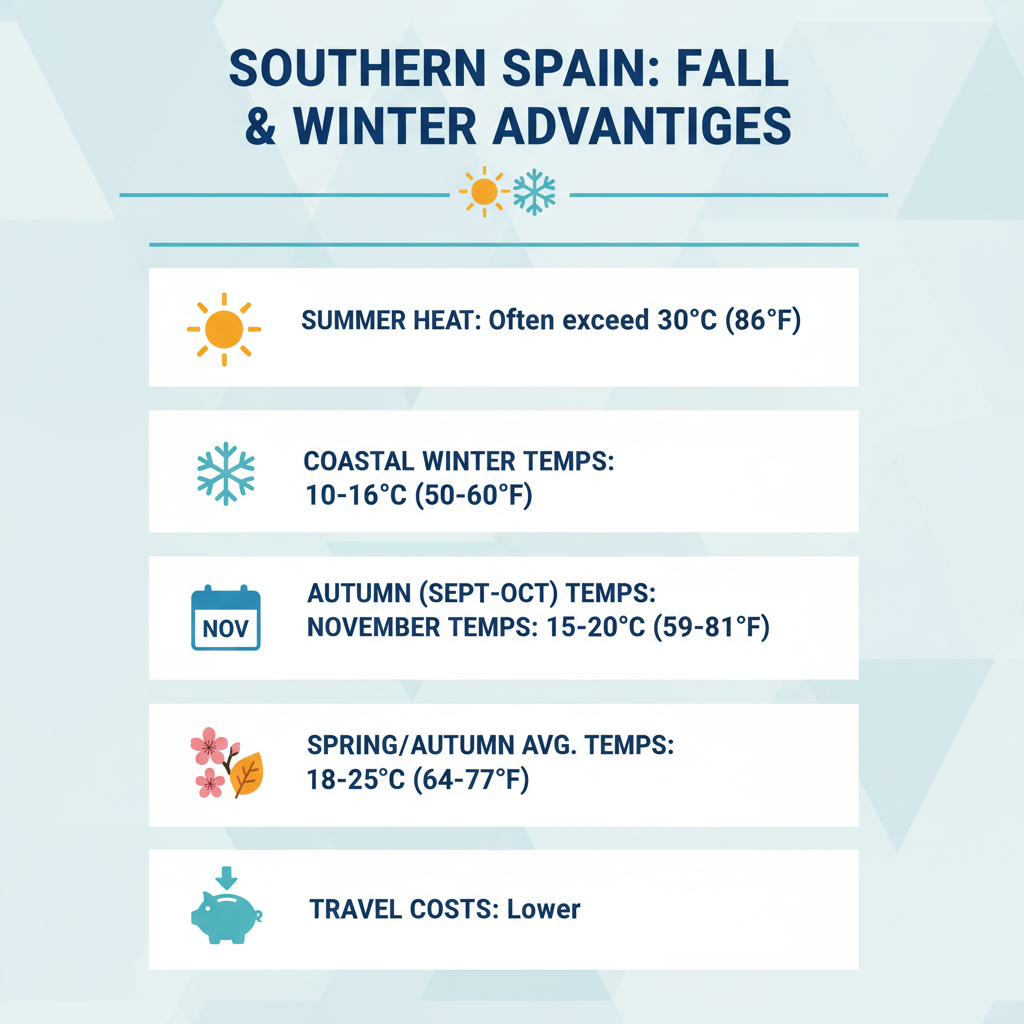
- Hot Summers: Temperatures often exceed 30°C (86°F), especially inland.
- Mild Winters: Coastal areas experience temperatures ranging from 10°C to 16°C (50°F to 60°F).
- Spring and Autumn: Moderate temperatures with an average range between 18°C to 25°C (64°F to 77°F).
Fall Weather Conditions
Autumn in Spain, particularly in the southern region, is marked by a gradual cooling from the intense summer heat. During September and October, temperatures typically range between 20°C to 27°C (68°F to 81°F). By November, the temperature drops slightly, hovering around 15°C to 20°C (59°F to 68°F). Rainfall begins to increase compared to summer but remains manageable with occasional showers.
Key Benefits of Fall Weather:
- Comfortable Temperatures: Ideal for outdoor activities like hiking and sightseeing without the sweltering heat.
- Extended Daylight Hours: More daylight compared to winter months, providing ample time for exploration.
Winter Weather Conditions
Winter in Spain’s southern region offers a stark contrast to its northern counterparts. Coastal cities like Malaga and Marbella experience mild winters with average temperatures around 10°C to 16°C (50°F to 60°F). Inland areas such as Granada may see cooler temperatures ranging from 5°C to 12°C (41°F to 54°F) due to higher elevations.
Rainfall is more frequent during winter months but is generally light and sporadic. Snowfall is rare along the coast but can be found in mountainous regions like the Sierra Nevada.
Key Benefits of Winter Weather:
- Mild Climate: Makes it comfortable for exploring both urban and rural attractions.
- Less Rainfall Compared to Northern Europe: Ensures that outdoor plans are rarely disrupted.
Benefits of Mild Temperatures for Outdoor Activities
Southern Spain’s mild fall and winter temperatures offer numerous advantages for travelers:
- Hiking and Nature Walks: Trails in natural parks such as Sierra de Grazalema are more enjoyable without extreme heat.
- Sightseeing: Iconic landmarks like Alhambra in Granada or Mezquita de Cordoba can be explored comfortably.
- Outdoor Dining: Pleasant weather allows for alfresco dining experiences without sweating through meals.
Comparison of Fall vs. Winter Weather Conditions
| Season Temperature Range Rainfall Patterns Unique Features Fall | 15°C – 27°C | Moderate rainfall | Vibrant autumn colors |
| Winter | 5°C – 16°C | Light rainfall | Crisp air, fewer tourists |
The climate in Southern Spain throughout fall and winter provides a welcoming environment for various activities. Whether you’re seeking cultural experiences or natural beauty, these seasons present an ideal time frame for your visit.

Advantages of Visiting Southern Spain in Fall and Winter
Pleasant Weather
The fall and winter seasons in Southern Spain deliver some of the most comfortable weather conditions for travelers. During autumn, temperatures typically range from 15°C to 25°C (59°F to 77°F), providing a pleasant atmosphere for outdoor activities. Winter temperatures are slightly cooler but still mild, averaging between 10°C to 18°C (50°F to 64°F). These mild conditions make it ideal for sightseeing and engaging in outdoor pursuits without the oppressive heat of summer.
Activities suited for mild weather:
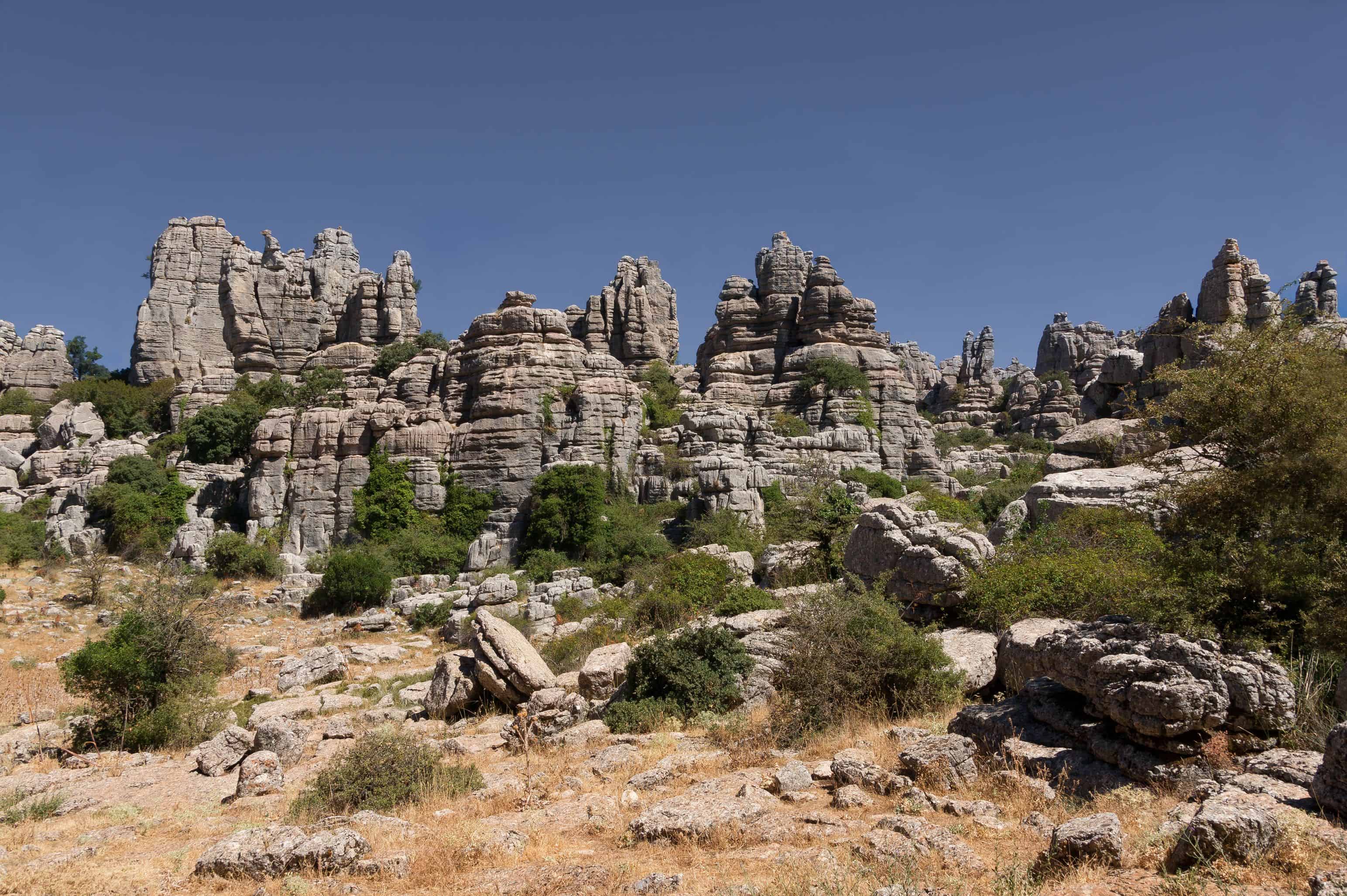
- Hiking: Explore scenic trails in places like Sierra de Grazalema Natural Park or El Torcal de Antequera where you can enjoy breathtaking views without the summer heat.
- Outdoor Dining: Enjoy alfresco dining experiences in charming plazas and coastal towns. Savor tapas at an open-air café in Malaga or dine by the sea in Marbella.
- Sightseeing: Wander through historical sites such as the Alhambra in Granada or the Mezquita de Cordoba with fewer interruptions from scorching sun or large crowds.
Fewer Crowds
Traveling during off-peak seasons means you can experience Southern Spain’s attractions with fewer tourists. This translates into a more relaxed and enjoyable visit, allowing you to fully immerse yourself in the rich culture and history.
Impact on popular attractions:
- Alhambra: Enjoy exploring this UNESCO World Heritage site without the long lines and crowded spaces typical of summer. With fewer visitors, you can take your time admiring its intricate architecture and lush gardens.
- Mezquita de Cordoba: Wander through this magnificent mosque-cathedral at your own pace, appreciating its unique blend of Islamic and Christian art without jostling for space with other tourists.
- Local Markets: Experience local markets like those in Seville with ease, interacting with vendors and sampling local delicacies without feeling rushed or overwhelmed.
Lower Costs
Visiting Southern Spain during fall and winter also means taking advantage of lower travel costs. Off-peak seasons often bring significant discounts on flights, accommodations, and other travel-related expenses.
Examples of cost benefits:
- Discounted Flights: Airlines frequently offer reduced fares during these seasons. For instance, flights from major European cities to Malaga or Seville can be significantly cheaper compared to peak summer months.
- Cheaper Accommodations: Hotels and vacation rentals often lower their prices to attract visitors during quieter periods. You might find excellent deals on accommodations in popular destinations like Granada, Marbella, or Cadiz.
- Dining & Activities: Restaurants may offer seasonal menus at lower prices, and tourist attractions sometimes reduce entry fees during off-peak times.
Regions/Cities for cheaper options:
- Granada: Known for its affordable yet high-quality accommodations, especially around the Albaicin district.
- Malaga: Offers a range of budget-friendly hotels and hostels near the city center and beach areas.
- Cadiz: Coastal charm combined with economic lodging options makes this city a great choice for budget-conscious travelers.
Experiencing Southern Spain during fall and winter not only provides financial savings but also enhances your trip with more comfortable weather conditions and a peaceful environment free from large tourist crowds.
Cultural Experiences to Embrace During Fall and Winter Visits to Southern Spain
Local Festivals
Southern Spain is renowned for its vibrant festivals, especially in the fall season. These events offer a unique glimpse into the region’s rich cultural heritage.
Feria de Malaga
One of the most celebrated festivals in Southern Spain during the fall is the Feria de Malaga. Held in mid-August, but its festive spirit often extends into September, this event transforms Malaga into a hub of music, dance, and traditional Andalusian culture.
- Activities: Attendees can enjoy flamenco shows, horse parades, and bullfighting.
- Food & Drink: Savor local delicacies such as tapas and paella, accompanied by authentic Spanish wines.
- Significance: This festival honors the incorporation of Malaga into the Crown of Castile in 1487.
To participate, visitors can head to the main fairground (Real de la Feria) or explore various activities throughout the city center.
Las Fallas de Valencia
Another noteworthy festival is Las Fallas de Valencia, which although primarily celebrated in March, has significant pre-festivities that begin in November.
- Art & Craftsmanship: Witness monumental ninots (puppets or dolls) crafted by local artisans.
- Pyrotechnics: Experience spectacular fireworks displays known as mascletàs.
- Cultural Insight: The festival blends satire with tradition, providing an entertaining yet profound look at societal issues.
Travelers visiting Southern Spain in late fall can catch early preparations and smaller events related to Las Fallas.
Christmas Markets
The arrival of winter brings with it enchanting Christmas markets across Southern Spain. These markets are perfect for immersing oneself in festive cheer while exploring local crafts and culinary delights.
Seville Christmas Market
The Seville Christmas Market, located at Plaza Nueva, is a must-visit.
- Crafts & Gifts: Browse through stalls selling handmade ceramics, leather goods, and intricate jewelry.
- Gastronomy: Indulge in traditional treats like turrón (nougat) and polvorones (shortbread cookies).
- Atmosphere: The market is adorned with dazzling lights and decorations, creating a magical ambiance.
Visitors can also enjoy live performances and nativity scenes that add to the festive spirit.
Granada Christmas Market
In Granada, the Christmas market at Plaza Bib-Rambla offers an equally captivating experience.
- Unique Offerings: Find exclusive items like hand-painted tiles and Moorish-inspired lanterns.
- Delicacies: Warm up with churros dipped in thick hot chocolate – a popular winter treat.
- Festive Vibes: Carol singing and street performances enhance the holiday atmosphere.
This market provides an excellent opportunity for travelers to purchase unique souvenirs while enjoying the seasonal joy of Southern Spain.
Why Fall and Winter Are the Best Times to Visit Southern Spain
Visiting Southern Spain during fall and winter presents unparalleled cultural experiences. The region’s local festivals offer deep insights into its traditions. Events like Feria de Malaga bring history to life with their vibrant celebrations. Meanwhile, Las Fallas de Valencia showcases artistic brilliance blended with cultural critique.
Winter transforms cities like Seville and Granada into wonderlands with their charming Christmas markets. These markets provide not just shopping opportunities but also a chance to taste regional specialties amidst a festive environment.
These experiences are best enjoyed without the sweltering summer heat or overwhelming tourist crowds. Cooler weather makes outdoor explorations comfortable while allowing travelers to fully immerse themselves in the cultural richness of Southern Spain.
Exploring the Natural Beauty of Southern Spain’s Landscapes During Autumn and Winter Months
Autumn Foliage
Southern Spain in autumn is a feast for the eyes. The landscapes transform into a canvas of vibrant colors, offering stunning views that are often overlooked during other seasons.
Ronda
This historic town, perched on a cliff, boasts panoramic views that become even more mesmerizing in autumn. The surrounding countryside is adorned with shades of red, orange, and yellow. For an immersive experience, consider hiking the trails around Ronda, such as the popular Los Molinos route, which offers breathtaking vistas of the fall foliage.
Sierra de Grazalema Natural Park
Known for its lush vegetation and diverse wildlife, this park is a gem for nature enthusiasts. The crisp air and clear skies make it ideal for exploring its numerous hiking trails. Notable trails include the “Pinsapar” route, which takes you through a forest of ancient Spanish firs that turn into a spectacle of autumn hues.
Winter Charm
Winter in Southern Spain brings its own unique charm. The region’s mild climate ensures that beauty flourishes even during the colder months.
Alpujarras Mountains
Nestled in the foothills of the Sierra Nevada range, these mountains offer picturesque settings with their whitewashed villages set against snow-capped peaks. Towns like Capileira and Pampaneira provide excellent bases for exploring this winter wonderland. The scenic routes between these villages offer serene landscapes perfect for leisurely strolls or more challenging hikes.
Sierra Nevada
Famous for its skiing resorts, this area also offers stunning winter scenery beyond the slopes. Non-skiers can enjoy activities like snowshoeing or simply soaking in the tranquil beauty of snow-draped trees and clear blue skies.
Both seasons provide incredible opportunities to appreciate Southern Spain’s natural beauty. Whether it’s hiking among autumn leaves or exploring snowy mountain trails, there’s something captivating about each setting that draws you in.
This seamless blend of vibrant autumn foliage and serene winter landscapes creates an exceptional backdrop for outdoor adventures and peaceful retreats alike.

Day Trips from Malaga or Marbella: Uncovering Historical Sites & Outdoor Adventures Nearby
Cultural Attractions
Exploring cultural attractions near Malaga and Marbella is a captivating journey into Andalusian heritage. These regions are rich with historical sites that are easily accessible for day trips.
Alcazaba Fortress (Malaga):
- Historical Significance: The Alcazaba fortress, dating back to the 11th century, offers a glimpse into the region’s Moorish past. It’s one of the best-preserved fortresses in Spain.
- Visitor Experience: Wander through its palatial rooms and lush gardens while enjoying panoramic views of the city and the Mediterranean Sea. The cooler fall and winter temperatures make it an ideal time to explore without the discomfort of summer heat.
Castillo de Gibralfaro (Málaga):
- Historical Context: This 14th-century castle, originally built to house troops and protect the Alcazaba, provides another layer to Malaga’s rich history.
- What to Expect: A hike up to Castillo de Gibralfaro rewards you with breathtaking views of Malaga harbor and the surrounding landscape. The moderate climate during fall and winter enhances this experience, allowing for a leisurely climb without large tourist crowds.
Other Notable Sites:
- Roman Theatre (Malaga): Adjacent to the Alcazaba, this ancient theatre is an impressive reminder of Roman influence in Southern Spain.
- Marbella Old Town: Stroll through narrow streets filled with white-washed houses, flower-adorned balconies, and historical landmarks like the Church of Our Lady of the Incarnation.
Outdoor Adventures
Southern Spain’s natural beauty beckons outdoor enthusiasts year-round, but fall and winter offer unique advantages for exploring its diverse landscapes.
Sierra de las Nieves National Park:
- Hiking Trails: This UNESCO Biosphere Reserve boasts a variety of trails suitable for all levels. Whether you’re a casual walker or an experienced hiker, you’ll find routes that meander through forests of Spanish firs, limestone peaks, and deep ravines.
- Flora & Fauna: During these cooler months, you might encounter wildlife such as ibex or vultures amidst diverse flora including rare orchids.
Seasonal Activities:
- Skiing/Snowboarding (Sierra Nevada): Just a short drive from Malaga or Marbella lies Sierra Nevada, Europe’s southernmost ski resort. With reliable snowfall from late November to April, it’s a perfect spot for winter sports enthusiasts looking to hit the slopes while enjoying Mediterranean vistas.
Benefits of Cooler Weather
Fall and winter weather conditions enhance both cultural exploration and outdoor adventures:
- Comfortable Exploration: Mild temperatures allow for longer periods of sightseeing without fatigue. Sites like Alcazaba and Castillo de Gibralfaro can be fully appreciated when you’re not rushing to escape the summer sun.
- Reduced Crowds: Visiting during these off-peak seasons means fewer tourists at popular attractions. This creates a more intimate experience where you can take your time exploring historical sites or hiking trails without feeling rushed or crowded.
Exploring cultural attractions near Malaga/Marbella for day trips during fall and winter elevates your travel experience by blending history with natural beauty in a comfortable climate.
Conclusion
When planning a trip to Southern Spain, the fall and winter seasons stand out as exceptional times to visit. These months offer a unique blend of pleasant weather, fewer crowds, lower costs, rich cultural experiences, and breathtaking natural beauty. Each of these factors contributes significantly to enhancing your travel experience.
Enhancing Your Travel Experience
Pleasant Weather
- Mild temperatures during the fall and winter make outdoor activities like hiking, sightseeing, and dining al fresco not only possible but enjoyable.
- Avoid the intense heat of summer, which can be overwhelming for many travelers.
Fewer Crowds
- Visiting iconic sites such as the Alhambra in Granada or the Mezquita in Cordoba becomes a more intimate and relaxed experience when you’re not battling through throngs of tourists.
- Reduced crowds also mean shorter lines and a better opportunity to absorb the historical and cultural significance of these attractions.
Lower Costs
- Off-peak seasons often bring discounted flights and accommodations. This economic benefit can make a significant difference in your overall travel budget.
- Examples include cheaper hotel rates in cities like Seville or Malaga, providing more room in your budget for other experiences.
Cultural Experiences
- Fall and winter are rich with local festivals that offer an authentic dive into Andalusian culture. From Feria de Malaga to Christmas markets in Seville or Granada, these events are not to be missed.
- Participating in or witnessing these festivities adds a memorable dimension to your trip.
Natural Beauty
- Autumn transforms regions like Ronda or Sierra de Grazalema Natural Park into canvases of vibrant colors. Ideal for photography enthusiasts or those who simply enjoy scenic beauty.
- Winter’s charm is evident in places like the Alpujarras Mountains where whitewashed villages contrast beautifully with snow-capped peaks.
Practical Tips for Planning Your Trip
- Check Local Event Calendars: Plan your itinerary around local festivals and events to maximize cultural immersion.
- Book Accommodations Early: Even though it’s off-peak season, popular spots can still fill up quickly during festivals or holidays.
- Layer Your Clothing: Southern Spain’s climate can vary throughout the day; layering ensures you stay comfortable whether it’s cool mornings or warm afternoons.
- Consider Renting a Car: While public transportation is efficient, having a car gives you flexibility to explore less accessible natural parks or smaller villages at your own pace.
Final Thoughts
Choosing to visit Southern Spain during the fall and winter months offers numerous advantages that collectively enhance your travel experience. From the comfort of mild weather to the joy of experiencing local traditions without the crowds, this period provides an ideal setting for both adventure and relaxation. Lower costs further sweeten the deal, allowing you to enjoy more while spending less.
When planning your next trip, consider why fall and winter are the best times to visit Southern Spain. The combination of favorable conditions creates an optimal environment for discovering all that this enchanting region has to offer. Whether you are captivated by its history, intrigued by its culture, or drawn to its natural landscapes, Southern Spain promises a rewarding journey when visited during these seasons.
FAQs (Frequently Asked Questions)
Why is fall and winter considered the best time to visit Southern Spain?
Fall and winter offer unique experiences in Southern Spain, including pleasant weather, fewer crowds, and cultural festivities. These seasons allow travelers to enjoy outdoor activities comfortably while immersing themselves in local traditions.
What is the climate like in Southern Spain during the fall and winter months?
Southern Spain experiences mild temperatures during fall and winter due to its Mediterranean influences. Typical temperature ranges are comfortable for outdoor activities, with less rainfall compared to other seasons, making it ideal for sightseeing.
How do crowd levels differ when visiting Southern Spain in fall and winter?
Visiting Southern Spain during the fall and winter months means encountering fewer crowds compared to peak summer tourism. This allows for a more relaxed experience at popular attractions such as the Alhambra or the Mezquita de Cordoba.
What cultural experiences can I enjoy in Southern Spain during these seasons?
Travelers can participate in unique local festivals celebrated in the fall, such as Feria de Malaga or Las Fallas de Valencia. Additionally, enchanting Christmas markets in cities like Seville or Granada offer traditional crafts and festive treats.
What natural beauty can I expect to see in Southern Spain during autumn and winter?
Autumn brings stunning landscapes adorned with vibrant foliage, especially in regions like Ronda or Sierra de Grazalema Natural Park. In winter, picturesque settings such as the Alpujarras Mountains showcase whitewashed villages against snow-capped peaks.
What day trips from Malaga or Marbella can enhance my visit?
There are several cultural attractions near Malaga or Marbella worth exploring, such as the Alcazaba fortress and Castillo de Gibralfaro. Cooler weather makes it easier to explore these sites without large tourist crowds. Outdoor adventures are also available in natural parks like Sierra de las Nieves National Park.
Conclusion
In conclusion, visiting Southern Spain during the fall and winter months offers a captivating blend of pleasant weather, fewer crowds, and cost savings, all while immersing yourself in vibrant cultural festivities. This unique experience allows you to explore the region’s rich history and breathtaking landscapes at a relaxed pace. Don’t miss out on the opportunity to discover Southern Spain’s charm during these enchanting seasons. Plan your trip today and embrace the beauty and warmth of this remarkable destination as you create unforgettable memories that will last a lifetime!