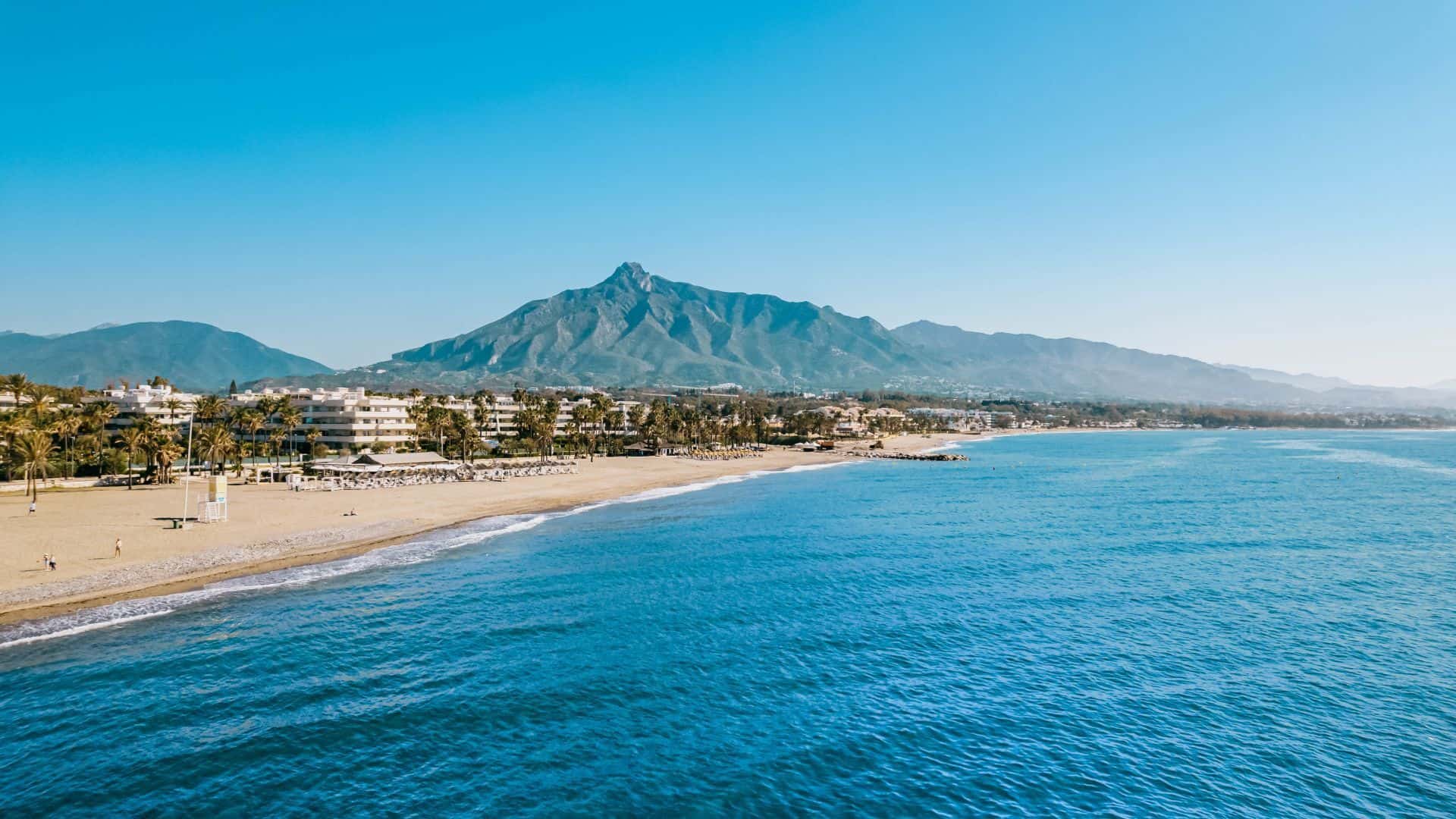
Two completely different versions of Marbella, 6 km apart — a 15th-century square that smells of orange blossom, and a marina built from scratch in 1970 that became one of the most photographed harbours in Europe. Here’s what each one actually offers, and how to see both properly.
Direct Answer
Marbella Old Town (Casco Antiguo) is the historic heart of Marbella, centred on Plaza de los Naranjos, a square dating to 1485 with Moorish-era streets behind it. Puerto Banús is a purpose-built marina about 6 km west, constructed in 1970 rather than evolved organically — home to superyachts, designer boutiques, and Marbella’s nightlife scene. They’re roughly 10–15 minutes apart by car or taxi, close enough that basing yourself in one never locks you out of the other. The Old Town suits couples wanting atmosphere and traditional Andalusian dining; Puerto Banús suits those wanting glamour, nightlife, and a marina scene.
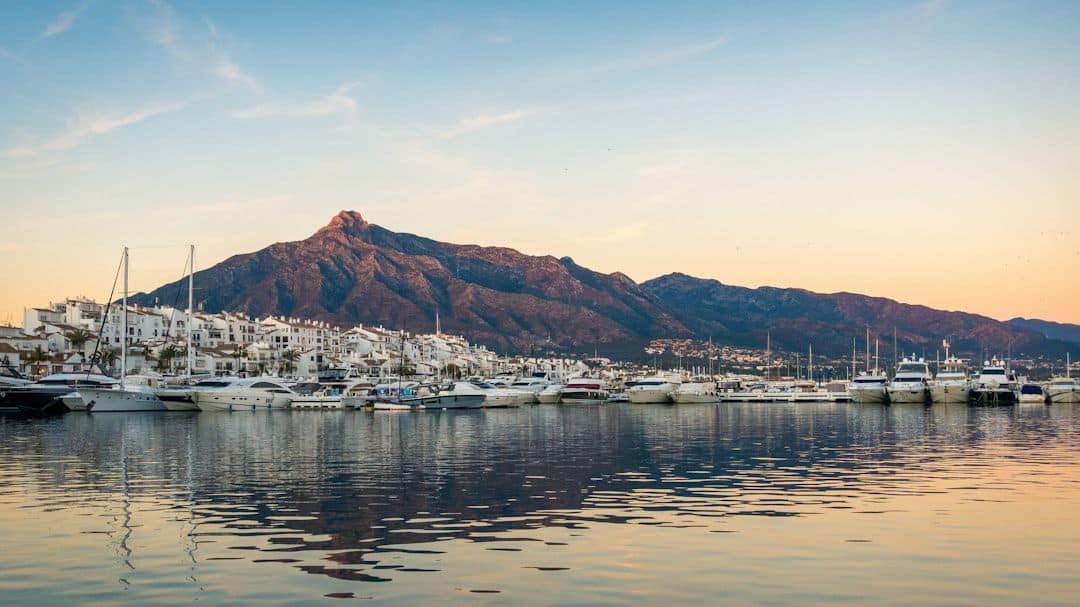
Scenic view of Marbella’s marina with luxury yachts and the Sierra Blanca mountains at sunset.
Table of Contents
Is Marbella Old Town or Puerto Banús Better to Visit?
They’re not really substitutes for each other — most visitors do both, since they’re only about 10–15 minutes apart. The honest distinction: the Old Town is where Marbella’s actual history lives, and Puerto Banús is where its modern reputation for glamour was built. If you only have time for one, the Old Town gives a more complete sense of the place; Puerto Banús gives the spectacle Marbella is internationally known for.
What Is the History of Marbella Old Town?
Marbella’s old town sits on foundations that go back further than most visitors realise. Muslim rulers built a walled medina here with three access gates and a 10th- or 11th-century castle, parts of which are still preserved today. The town later became part of the Nasrid Kingdom of Granada, and a peace treaty with the Marinids of North Africa — the Treaty of Marbella — was signed here at the end of the 13th century.
The Christian Reconquest reached Marbella in 1485, when Ferdinand the Catholic took the city. Much of the Moorish-era construction was subsequently demolished to create more open Renaissance-style spaces — which is how Plaza de los Naranjos came to exist as the town’s new civic centre, built specifically to house the Casa Consistorial (Town Hall) and reorganise Marbella around Christian civic life. Despite this rebuilding, the narrow street layout behind the square still traces the outline of the original Muslim quarter.

Vibrant outdoor dining area in Marbella’s historic center, featuring red tablecloths and charming surroundings.
What Is Plaza de los Naranjos, and Why Is It Marbella’s Most Photographed Square?
Plaza de los Naranjos (“Square of the Orange Trees”) dates to 1485, created immediately after the Christian conquest as the new urban and administrative hub of Marbella. It’s framed by three historic buildings — the Casa Consistorial (Town Hall), the Casa del Corregidor, and the Ermita de Santiago — with a Renaissance fountain at its centre, surrounded by orange trees planted in 1941, which is where the square’s current name comes from.
The Town Hall façade carries a sundial, a coat of arms, and memorial plaques commemorating Ferdinand and Isabella’s 1485 conquest. Today the square functions much as it always has — a civic and social centre, now ringed by restaurant terraces rather than market stalls, but still the place locals and visitors naturally gravitate to.
What Else Is There to See in Marbella Old Town?
- Calle Carmen — widely considered the most picturesque street in the historic centre, lined with flower-draped balconies and blue plant pots that have become one of the most photographed details in Marbella.
- The old Moorish street layout — narrow, winding lanes behind Plaza de los Naranjos that still trace the outline of the original walled medina, even though most individual Muslim-era buildings were later replaced.
- Small squares that open unexpectedly — much of the Old Town’s character comes from streets that suddenly widen into a tiny plaza with a café terrace, rather than any single named attraction.
What Is Puerto Banús, and How Old Is It Actually?
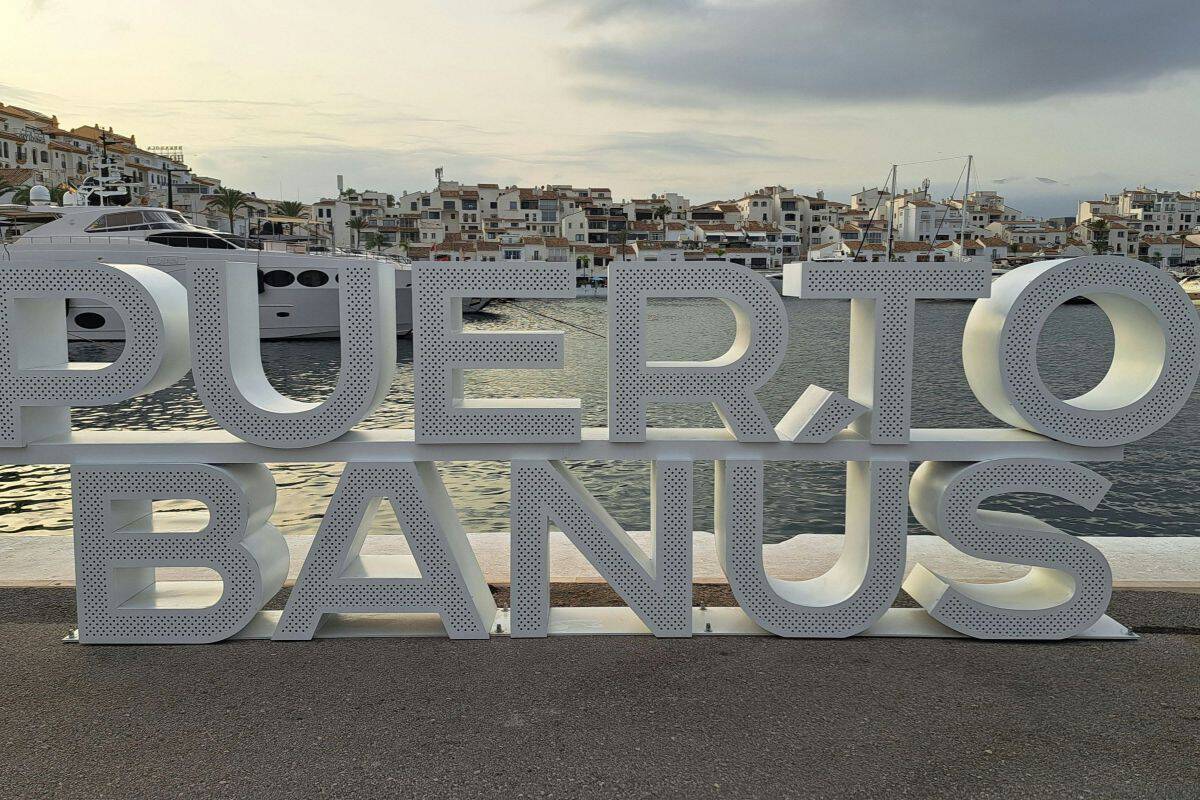
Despite its old-fishing-village aesthetic, Puerto Banús is entirely purpose-built — designed and constructed in 1970, not evolved organically over centuries the way the Old Town was. It opened the same year Julio Iglesias performed at the Eurovision Song Contest, and Spain’s future King Juan Carlos and Queen Sofía visited (though as Prince and Princess of Asturias) in 1972, cementing an early association with glamour that has stuck ever since.
The marina had a genuinely difficult early period — the 1973 oil crisis hit its finances hard. Its fortunes turned when Spain lifted its prohibition on gambling after Franco’s death, and Puerto Banús opened the country’s second casino in 1978, complete with a beach club. Commercial development continued through the following decades, with the annual concession fee paid to the regional government rising from €120,000 to €1.1 million by 2006 — a rough proxy for how much the marina’s commercial value grew over that period. Puerto Banús marked its 50th anniversary in 2020, though the pandemic meant the planned celebrations passed largely unnoticed.
How Far Is Puerto Banús From Marbella Old Town?
Approximately 6 km — about 10 to 15 minutes by car or taxi, slightly longer by local bus. Close enough that staying in one area doesn’t meaningfully cut you off from the other; many visitors treat a Puerto Banús evening as a natural add-on to a day based in the Old Town, or vice versa.
What Is the Difference in Atmosphere Between the Two?
| Marbella Old Town | Puerto Banús | |
|---|---|---|
| Character | Historic, whitewashed, narrow lanes | Purpose-built marina, modern glamour |
| Best for | Couples wanting atmosphere and romance | Those wanting nightlife and spectacle |
| Dining | Traditional Andalusian cooking, tapas counters, seasonal small kitchens | Polished, high-end restaurants and beach clubs |
| Nightlife | Quieter, low-key evening atmosphere | The centre of Marbella’s after-dark scene |
| Beaches nearby | Quieter, more local, an easy stroll from the centre | Livelier, with summer beach parties on one side and a calmer strip on the other |
| Shopping | Small boutiques, local shops | Designer boutiques, superyacht marina walk |
What Is the Best Time to Visit Marbella Old Town?
Outside the peak June–September season, if you want a relaxed atmosphere without crowds — Plaza de los Naranjos gets genuinely busy in high summer. Early morning or early evening year-round tends to give the calmest version of the square, before or after the main lunch and dinner rushes.
Where Are the Tourist Information Offices?
Three official tourist offices serve the wider Marbella area: one in Plaza de los Naranjos itself (next to the Town Hall), one in San Pedro de Alcántara, and one in Plaza de Antonio Banderas near the Puerto Banús marina.
Staying in Marbella?
We pick up directly from Marbella’s Old Town, the Golden Mile, and Puerto Banús for all our private day trips — Ronda, Gibraltar, Granada, and more. See our Marbella hotel pickup guide → or WhatsApp us at +34 651 026 027
Frequently Asked Questions
Is Marbella Old Town or Puerto Banús better to visit?
They’re complementary rather than competing — most visitors do both, since they’re only 10–15 minutes apart. The Old Town offers historic atmosphere and traditional dining; Puerto Banús offers marina glamour, designer shopping, and nightlife. Couples wanting romance tend to prefer the Old Town; those wanting buzz and spectacle lean toward Puerto Banús.
How old is Plaza de los Naranjos?
It dates to 1485, created immediately after the Christian conquest of Marbella as the new civic and administrative centre of the town, replacing much of the earlier Moorish-era construction on the site.
How old is Puerto Banús?
Puerto Banús was designed and built in 1970 — a purpose-built marina rather than a naturally evolved fishing village, despite its old-village aesthetic. It marked its 50th anniversary in 2020.
How far is Puerto Banús from Marbella Old Town?
Approximately 6 km, about 10 to 15 minutes by car or taxi, or a little longer by local bus.
What is the most picturesque street in Marbella Old Town?
Calle Carmen is widely considered the most photogenic street in the historic centre, known for its flower-draped balconies and blue plant pots.