Are you planning a trip to Málaga but unsure about what to see? The Picasso Museum Málaga is a cultural treasure that offers an intimate look into the life of one of the 20th century’s most iconic artists. This guide reveals everything you need to know—from essential visitor tips to fascinating insights about Picasso’s roots in the city. Whether you’re an art aficionado or a curious traveler, understanding what this museum has to offer will ensure you don’t miss out on a truly enriching experience.
🎯 Key Takeaways
- Visit the Picasso Museum Málaga to explore Picasso’s early influences and cultural roots.
- Admire the Renaissance architecture of the historic Buenavista Palace during your visit.
- Check the museum’s schedule for exhibitions and cultural activities before planning your trip.
- Utilize visitor tips for an enhanced experience at the Picasso Museum Málaga.
- Appreciate the architectural transformation that preserves the palace’s historic character.
⚡ TL;DR
The Picasso Museum Málaga, located in the historic Buenavista Palace, is a must-visit for art lovers, offering insights into Picasso’s life and work. The museum features a rich collection of his art, highlights the architectural beauty of the Renaissance-era building, and provides practical visitor information. Experience the cultural significance of Picasso’s birthplace and explore exhibitions that celebrate his legacy throughout the year.
The Picasso Museum Málaga is a significant cultural landmark in the city where Pablo Picasso, one of the most influential artists of the 20th century, was born. Located in Málaga, Spain, this museum provides a unique insight into Picasso’s background and artistic journey, making it a must-visit destination for art enthusiasts and cultural explorers.
Málaga holds great importance beyond its picturesque Andalusian setting; it is the true birthplace of Picasso, where his early life and family roots had a profound impact on his creative path. A visit to the museum allows you to connect directly with the surroundings that shaped his formative years.
This guide covers everything you need to know before visiting the Picasso Museum Málaga:
- The rich history and architecture of the museum building.
- An in-depth look at Picasso’s extensive collection housed within.
- Unique features and additional attractions found at the museum.
- Insight into Picasso’s personal ties with Málaga.
- Practical information including visitor tips, opening hours, and ticketing.
- Details about exhibitions and cultural activities hosted throughout the year.
Whether you are planning your first visit or returning for a deeper experience, this article prepares you to fully appreciate what makes the Picasso Museum Málaga a must-see cultural icon in Picasso’s hometown.
Table of Contents
History and Architecture of the Picasso Museum Málaga
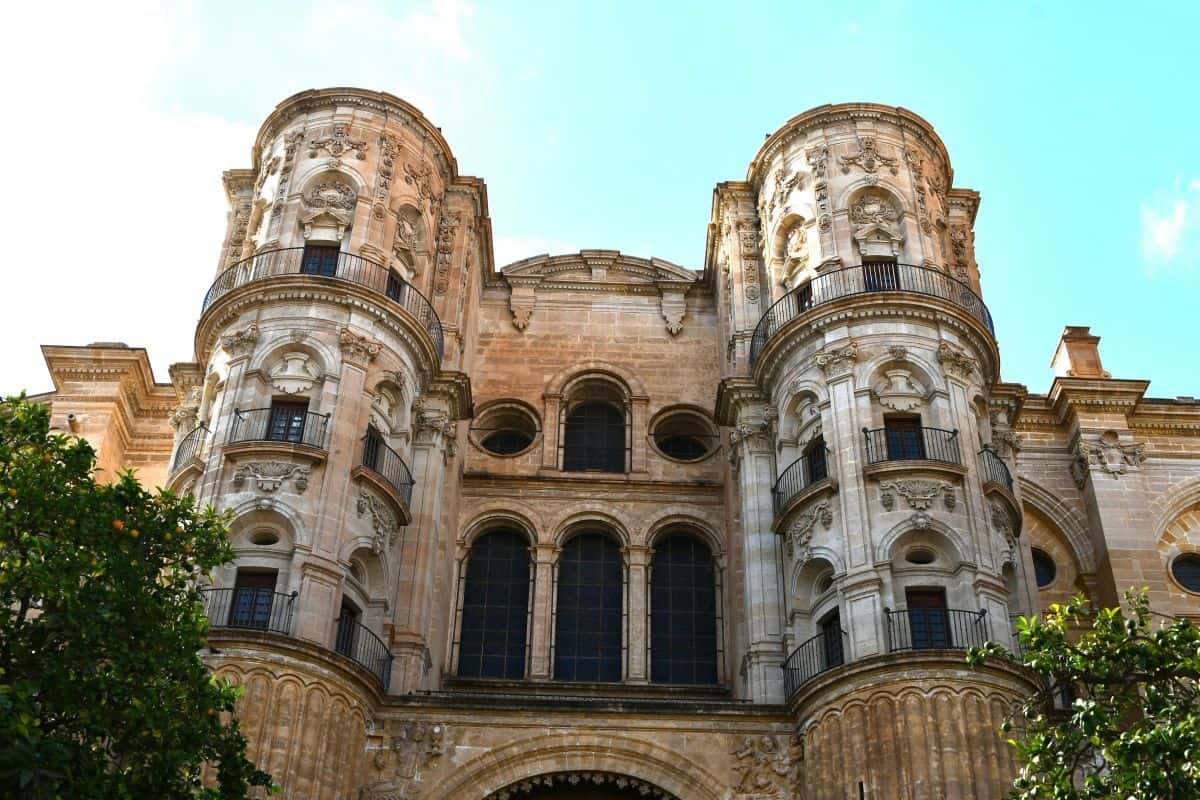
The Picasso Museum Málaga is located in the historic Buenavista Palace, a stunning example of Renaissance architecture in Málaga. This palace not only serves as a beautiful setting for the museum’s collection but also has significant historical importance.
The Significance of Buenavista Palace
Here are some key facts about the Buenavista Palace:
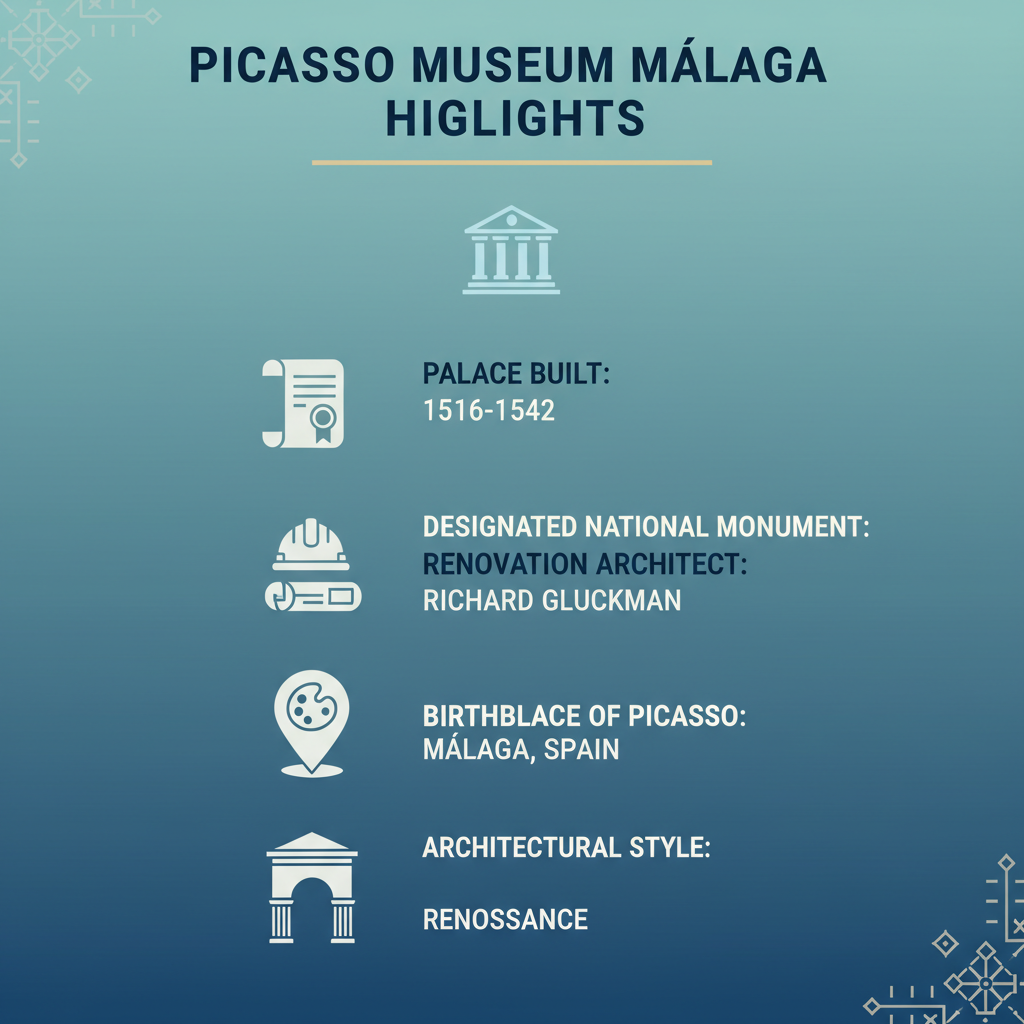
- The palace was built between 1516 and 1542 by Jewish converts, showcasing the architectural styles and cultural influences of that time.
- In recognition of its exceptional historical and artistic value, the palace was designated as a National Monument in 1939, solidifying its status as one of Málaga’s most important heritage sites.
- The original Renaissance features of the building include intricate stonework, elegant arches, and spacious courtyards that are typical of civil architecture from that period.
Architectural Transformation by Richard Gluckman
A significant architectural transformation took place to convert this historic palace into a modern museum space while still preserving its Renaissance character. The renovation was led by American architect Richard Gluckman, whose design approach focuses on:
- Maximizing the use of natural light through carefully positioned skylights, enhancing the viewing experience without compromising the integrity of the original structure.
- Thoughtfully combining restored historic elements with contemporary museum requirements, creating a harmonious balance between old and new architecture.
- Receiving recognition through prestigious awards such as the American Institute of Architects’ Design Award (2005), highlighting the project’s excellence in design innovation.

Expansion for Growth
To accommodate a growing collection and meet visitor needs, the museum expanded by incorporating 18 adjoining houses from Málaga’s old Jewish quarter. This expansion resulted in approximately 8,300 square meters of exhibition and public space, making it one of the largest museums dedicated to Picasso worldwide.
Preserving Heritage While Providing Modern Facilities
The integration of these houses preserves the historical urban fabric of Málaga’s Jewish quarter while also providing modern facilities such as galleries, educational areas, and visitor amenities. As a result, visitors not only get to experience Picasso’s artwork but also immerse themselves in the rich architectural heritage that surrounds his legacy.
The Collection: Exploring Picasso’s Legacy at the Museum
The Picasso Museum Málaga is home to an impressive collection of Picasso artworks that offers a comprehensive look at the artist’s creative evolution. This extensive collection was primarily assembled through generous donations from Picasso’s family, providing visitors with a rare opportunity to engage with original works spanning his entire career.
Key Highlights of the Collection
Some of the key highlights include:
- 14 paintings capturing varied styles and periods, from early explorations to mature masterpieces.
- 9 sculptures that reveal Picasso’s three-dimensional experimentation and innovation.
- 44 individual drawings, each reflecting different moods, techniques, and moments of inspiration.
- A unique sketchbook containing 36 drawings, offering intimate insight into Picasso’s process and creative thinking.
- 58 engravings demonstrating his mastery of printmaking and graphic arts.
- 7 ceramic pieces, showcasing his lesser-known but profoundly inventive work in this medium.
In addition to the family donations, the museum also benefits from additional works on long-term loan. These pieces complement and expand the narrative of Picasso’s artistic journey, allowing the museum to present a dynamic and evolving exhibition experience.
Understanding Picasso’s Evolution through Art
The diversity within the collection emphasizes Picasso’s constant reinvention across multiple art forms. Visitors witness his transitions from Blue Period melancholy to Cubist abstraction, as well as his later explorations combining traditional and avant-garde elements. This variety not only illustrates his technical versatility but also reveals deeper emotional and intellectual layers that defined his legacy.
Experience in viewing this collection brings you closer to understanding how Picasso challenged artistic conventions while remaining deeply connected to his roots. Each piece serves as a chapter in the story of one of history’s most influential artists, making the museum a vital destination for those seeking to grasp the full scope of Picasso’s genius.
Additional Features Within the Museum
The Picasso Museum Málaga goes beyond displaying artworks by offering specialized resources and cultural layers that enhance your visit.
Museum Library and Archive: A Treasure Trove of Picasso Literature
- Houses more than 800 titles focused on Pablo Picasso’s life, artistic development, and influence.
- Includes books, manuscripts, exhibition catalogs, and scholarly articles.
- Serves as a vital resource for researchers, students, and art enthusiasts who want to delve deeper into Picasso’s multifaceted legacy.
- Provides access to rare publications and archival materials not easily found elsewhere.
- Supports educational programs and curatorial research that enrich the museum’s exhibitions.
Archaeological Museum in the Basement: Málaga’s Deeper History
- Located beneath the Buenavista Palace, this archaeological space adds historical context to your visit.
- Exhibits artifacts from Málaga’s ancient past, spanning from Phoenician to Roman times.
- Offers insight into the city’s cultural layers that predate even Picasso’s era.
- The juxtaposition of archaeological relics with modern art creates a unique dialogue between history and creativity.
- Enhances understanding of Málaga as a vibrant cultural crossroads well before becoming Picasso’s birthplace.
These additional features contribute to an immersive experience at the Picasso Museum Málaga. They open windows not only into Picasso’s artistic genius but also into Málaga’s rich cultural heritage.
Connection to Picasso’s Personal History
The Museo Picasso Málaga is more than just a collection of artworks; it offers a vivid connection to Pablo Picasso’s roots in childhood Málaga. His father, José Ruiz Picasso, played a crucial role in shaping young Picasso’s early exposure to art and culture. José served as the curator of the city museum, which was located in the old town hall. This environment was instrumental for Picasso, who spent part of his formative years surrounded by artistic and historical objects under his father’s guidance. It was here that he began developing his artistic talent, influenced by the rich cultural heritage curated by his father.
Visitors to the museum can appreciate this personal history through architectural and spatial details. The museum’s windows provide a direct view of the Church of Santiago tower, a location of deep personal significance for Picasso as it is where he was baptized. This visual link between the museum and the church creates an intimate bridge connecting Picasso’s life story with the physical space of the museum.
- José Ruiz Picasso curator: His role ensured that art and history were ever-present during Picasso’s youth.
- Church of Santiago tower view: Symbolic sightline from museum windows tying Picasso’s baptismal site to his birthplace surroundings.
- Childhood Málaga: The environment that nurtured one of the most influential artists of the 20th century.
This unique integration of personal and local history enriches your visit, allowing you to experience not just Picasso’s art but also a glimpse into the world that shaped him.
Visitor Information and Practical Tips
Planning your visit to Museo Picasso Málaga requires knowing the essential details about opening hours, ticket options, and how to make the most of your experience.
Museo Picasso Málaga Opening Hours
- The museum is open daily from 10 a.m. to 7 p.m., providing ample time to explore the collections at a relaxed pace.
- Seasonal variations may apply, so checking the official website before your visit ensures you have the latest schedule.
- Last entry is typically allowed 30 minutes before closing time, giving you enough opportunity to see key exhibits without feeling rushed.
Ticket Prices, Guided Tours, and Group Visits
- General admission tickets grant access to the permanent collection and temporary exhibitions.
- Group discounts are available for organized groups such as schools or tour groups, making it a great option for educational visits or cultural outings.
- Guided tours add significant value by offering expert insights into Picasso’s life, artistic phases, and the museum’s architecture. These tours often require advance booking.
- Some ticket options combine general admission with special exhibition access or audio guides for a more comprehensive experience.
- Prices vary depending on age categories (children, students, seniors) and any current promotions.
Best Times to Visit
- Early weekday mornings right when the museum opens tend to be quieter, allowing an intimate viewing experience without large crowds.
- Late afternoons can also be less busy but check if any special events or exhibitions are scheduled that day.
- Special exhibitions often attract more visitors; planning your visit during these times rewards you with fresh perspectives on Picasso’s work but may require booking tickets well in advance.
- Consider visiting during off-peak tourist seasons in Málaga to avoid heavy foot traffic.
Knowing these practical details helps you navigate Museo Picasso Málaga smoothly and ensures your visit matches your interests—whether it’s a quick overview or a deep dive into Picasso’s artistic journey.
Exhibitions and Activities Throughout the Year
The Picasso Museum Málaga features a dynamic program of temporary exhibitions Museo Picasso Málaga that explore diverse facets of Picasso’s artistic journey. These rotating exhibitions focus on specific themes, periods, or techniques from the artist’s prolific career, offering fresh perspectives and new insights even to repeat visitors. Examples include retrospectives on particular phases like Cubism or Blue Period works, as well as showcases of lesser-known drawings or experimental ceramics.
Special exhibitions often incorporate works borrowed from other institutions or private collections, enriching the museum’s permanent collection with unique pieces that deepen understanding of Picasso’s influence on modern art. These carefully curated shows allow you to experience the breadth and evolution of his creativity in an intimate setting.
The museum’s commitment to accessibility and education is evident through its educational programs Málaga museum events tailored for all ages and interests. Interactive workshops, guided tours for families, and hands-on activities encourage learning beyond passive viewing. School groups can engage with specially designed curriculum-linked sessions that bring Picasso’s life and techniques into classroom relevance.
Cultural activities extend beyond art appreciation, including lectures by art historians, film screenings related to Picasso’s era, and live performances inspired by his work. These events foster community involvement and create opportunities for visitors to connect with the cultural context surrounding Picasso.
Whether you’re an art enthusiast looking to deepen your knowledge or a casual visitor seeking immersive experiences, the museum’s ongoing schedule ensures there is always something new to discover during your visit. This variety makes the museum a vibrant hub of creativity throughout the year.
Why Visit the Picasso Museum Málaga?
The Picasso Museum Málaga is more than just another gallery; it is a must-see museum in Andalusia for those serious about understanding Picasso’s artistic evolution and roots. Here are some reasons why you should consider visiting:
1. Deep Connection to Picasso’s Origins
The museum offers an intimate glimpse into Pablo Picasso’s early influences and lifelong creativity. You experience his work not only through the extensive collection but also through the building itself — located in his hometown, surrounded by places tied to his personal history.
2. Fusion of History and Modernity
The museum’s design masterfully combines Renaissance architecture with contemporary exhibition techniques. You walk through spaces where historic walls meet innovative skylights, creating an atmosphere that enhances your appreciation of the artworks. This unique architectural blend makes it stand apart from other art venues.
3. A Draw for Art Lovers and Cultural Tourists
Whether you are an art aficionado or a traveler seeking authentic cultural experiences, this museum appeals widely. It provides a comprehensive picture of Picasso’s diverse artistic phases alongside a rich narrative of Málaga’s heritage. The setting itself invites you to explore Andalusian culture beyond traditional tourist paths.
4. Part of Andalusia’s Artistic Landscape
As one of the leading museums in southern Spain, it complements other cultural attractions, making it essential for anyone exploring the region’s vibrant art scene. Its reputation attracts visitors worldwide who want to deepen their knowledge of modern art within its historical and geographical context.
Engaging with the Picasso Museum Málaga means immersing yourself in a pivotal chapter of Spanish art history while enjoying a thoughtfully curated environment that celebrates innovation rooted in tradition.
Plan Your Visit to Museo Picasso Málaga
When preparing for your trip to the Picasso Museum Málaga, having the right information makes all the difference. This essential tips Malaga travel guide will help you make the most of your visit.
Key Information Before You Go
- Historical Context: The museum is housed in the stunning Buenavista Palace, a National Monument with roots dating back to the 16th century. Understanding this setting enriches your appreciation of both Picasso’s work and Andalusian heritage.
- Collection Highlights: Expect to see over 285 works donated by Picasso’s family, spanning paintings, sculptures, drawings, engravings, and ceramics. The collection offers insight into Picasso’s evolving styles and phases throughout his prolific career.
Visitor Practicalities
- Opening Hours: Open daily from 10 a.m. to 7 p.m., with seasonal variations during holidays or special events.
- Tickets: Options include general admission, group tickets, and guided tours — booking in advance is recommended during peak seasons.
- Best Times to Visit: Early mornings or late afternoons tend to be less crowded. Keep an eye on special exhibitions that rotate regularly for unique experiences.
Why This Museum Should Be Part of Your Málaga Itinerary
Picasso Museum Málaga stands as a must-see destination for art lovers and cultural travelers alike. Its fusion of historical architecture and contemporary exhibition design creates a unique atmosphere where Picasso’s legacy comes alive. Visiting here offers a deep connection to the artist’s roots and an authentic glimpse into Andalusian culture.
Plan enough time not only to explore the galleries but also to enjoy the museum’s library, archive, and archaeological exhibits in the basement. These add layers of cultural depth often missed in typical museum visits.
Including Museo Picasso Málaga in your travel plans means stepping into the world of one of history’s greatest artists while soaking up Málaga’s rich architectural and cultural tapestry.
Use this guide as your foundation for an unforgettable experience. Prepare well, arrive curious, and immerse yourself fully in Picasso’s Málaga — a journey that promises inspiration at every corner.
FAQs (Frequently Asked Questions)
What is the historical significance of the Picasso Museum Málaga and its building?
The Picasso Museum Málaga is housed in the Buenavista Palace, a Renaissance building constructed between 1516 and 1542 by Jewish converts. It has been a National Monument since 1939 and underwent an award-winning architectural renovation led by Richard Gluckman. The museum integrates 18 houses from the old Jewish quarter, expanding its floor space to 8,300 square meters, making it a cultural landmark in Picasso’s hometown.
What types of artworks are included in the Picasso Museum Málaga’s collection?
The museum’s extensive collection includes 14 paintings, 9 sculptures, 44 individual drawings, a sketchbook with 36 drawings, 58 engravings, and 7 ceramic pieces donated by Picasso’s family. Additionally, there are works on long-term loan that showcase different phases of Picasso’s artistic career.
Are there any unique features or additional attractions within the Picasso Museum Málaga?
Yes, besides the art collection, the museum houses a dedicated library and archive with over 800 titles related to Picasso’s life and work. It also features an archaeological museum located in the basement, offering visitors a broader cultural experience beyond Picasso’s art.
How does the museum connect to Pablo Picasso’s personal history?
The museum connects to Picasso’s personal history through his father José Ruiz Picasso, who was a curator at the city museum in the old town hall where young Picasso spent part of his childhood. Moreover, some museum windows face the Church of Santiago tower where Picasso was baptized, linking visitors directly to his early life in Málaga.
What practical information should visitors know before going to Museo Picasso Málaga?
The museum is open daily from 10 a.m. to 7 p.m., with seasonal variations. Visitors can purchase general admission tickets, group tickets, or opt for guided visits. It’s advisable to plan visits during less crowded times or when special exhibitions are on display for an enhanced experience.
Why is visiting the Picasso Museum Málaga considered essential for art lovers and tourists?
Visiting the Picasso Museum Málaga offers insight into Pablo Picasso’s roots and artistic evolution within his birthplace. The museum uniquely combines historic Renaissance architecture with modern exhibition design. It stands as a must-see destination for those seeking authentic cultural experiences and art tourism in Andalusia and Spain.
Conclusion
In conclusion, the Picasso Museum Málaga is not just a tribute to the genius of Pablo Picasso; it’s a portal into the rich cultural tapestry of his early life and the beautiful city of Málaga. By exploring its exquisite collection and historic architecture, visitors gain a deeper appreciation for the artistic journey that shaped one of the 20th century’s most iconic figures. Don’t miss the chance to immerse yourself in this unique experience. Plan your visit today and discover how Málaga continues to inspire creativity and innovation, much like Picasso himself.