Have you ever wondered how a city can encapsulate over 2,800 years of history in its vibrant streets? Malaga, a stunning jewel of the Costa del Sol, invites you to explore its rich cultural tapestry through unforgettable walking tours. By immersing yourself in this enchanting city, you’ll not only witness breathtaking architecture but also uncover stories from ancient civilizations that have shaped its identity. Join us as we unveil the top walking tours in Malaga, ensuring you don’t miss a single captivating detail along the way!
⚡ TL;DR
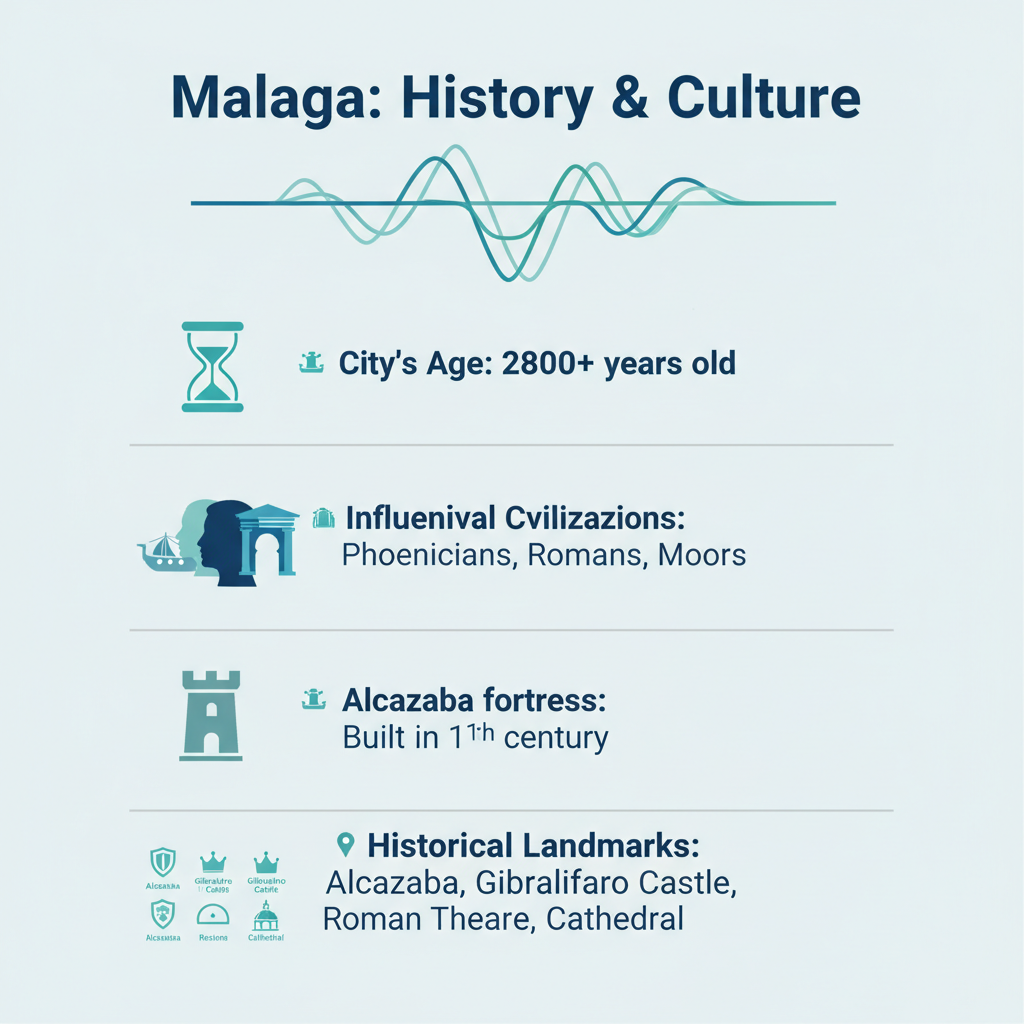
Malaga, a historical gem on the Costa del Sol, boasts over 2800 years of rich cultural influences from the Phoenicians, Romans, and Moors. The best way to experience its vibrant heritage is through walking tours that highlight must-see landmarks like the Alcazaba and Gibralfaro Castle. This article provides a guide to top walking tours, artistic hotspots, and tips for both guided and self-directed adventures to fully immerse in Malaga’s captivating history and culture.
Table of Contents
Introduction
Malaga, a gem on the Costa del Sol, has a rich history and culture that spans over 2800 years. The city has been influenced by various civilizations such as the Phoenicians, Romans, and Moors. This historical impact is clearly seen in its beautiful architecture and lively neighborhoods.
Key takeaway: Exploring Malaga on foot is the best way to experience its vibrant history and diverse culture. Walking through the streets allows you to connect with the past while immersing yourself in the present-day life of this captivating city.
In this article, you will find:
- A guide to the top Malaga city walking tours, highlighting must-see landmarks.
- Insights into artistic hotspots that showcase Malaga’s cultural heritage.
- Tips for making the most of your walking tours, whether you choose guided experiences or self-directed adventures.
Get ready to discover the treasures of Malaga as each step reveals another part of its fascinating story.
1. Discovering Malaga’s Historical Treasures
Malaga has a rich history that spans over 2800 years, making it one of the oldest cities in the world. Various civilizations, including the Phoenicians, Romans, and Moors, have influenced the history of Malaga. Each culture has left its mark on the city’s architecture, creating a unique blend of styles that reflect its diverse past.
Architectural Influences
The architectural landscape of Malaga is a visual representation of its storied history. From ancient structures to modern buildings, each era contributes to the city’s character.
- Phoenician Roots: The city’s origins trace back to the Phoenicians, who established Malaga as a trading port around 800 BC. Archaeological remains can be found throughout the city.
- Roman Grandeur: The Roman occupation brought about significant urban development. This period introduced impressive structures like amphitheaters and public baths.
- Moorish Legacy: The Moors left behind their architectural marvels, characterized by intricate tile work and stunning arches, which can be seen in landmarks such as the Alcazaba and Gibralfaro Castle.
Must-See Landmarks on Walking Tours
Walking through Malaga offers countless opportunities to explore iconic sites that showcase this rich heritage. Some must-see landmarks include:
- Alcazaba
- Gibralfaro Castle
- Roman Theatre
- Malaga Cathedral
Alcazaba
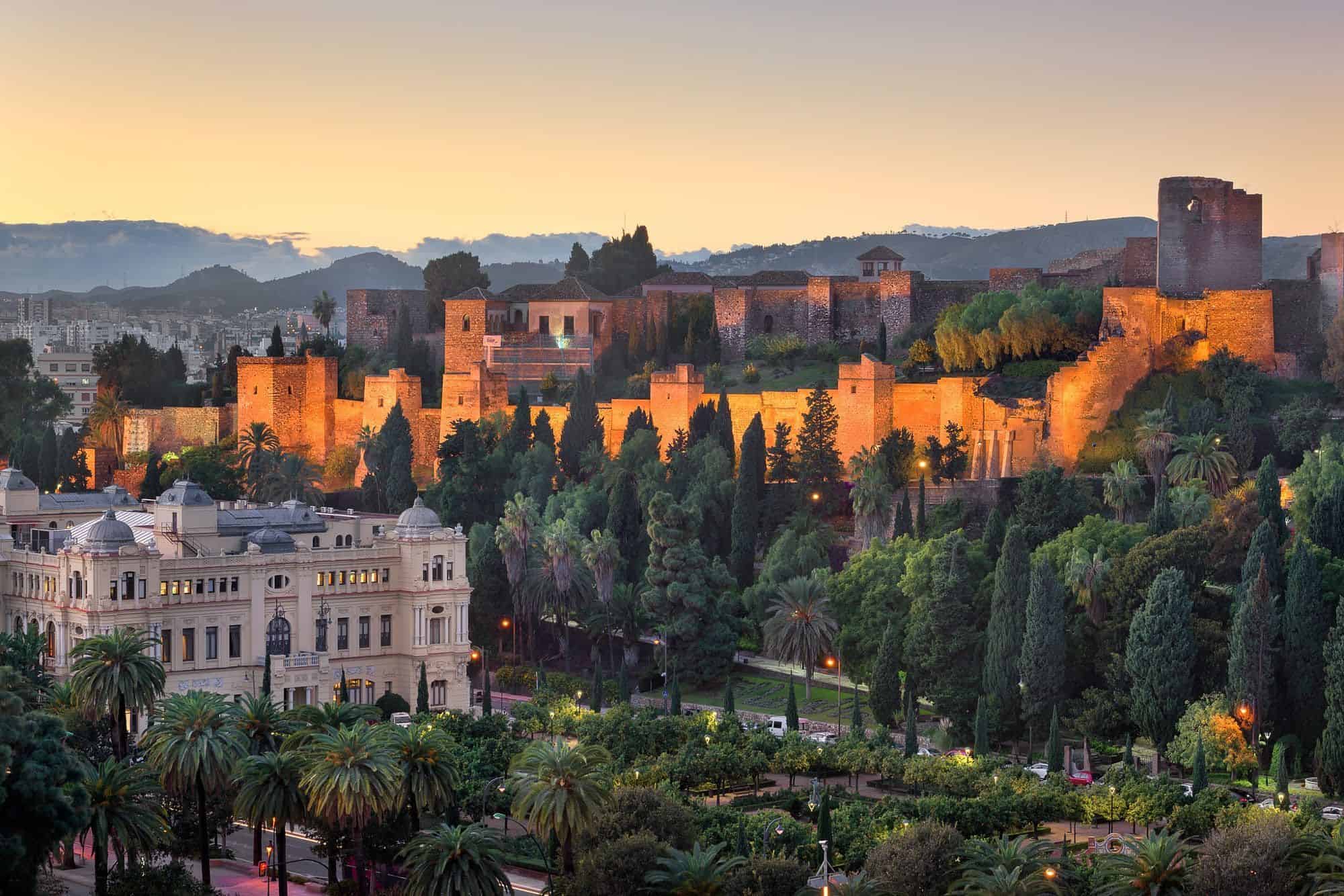
The Alcazaba stands as a testament to Moorish architecture and serves as one of the most well-preserved fortresses in Spain. Built in the 11th century, this fortress features:
- Tall walls adorned with battlements
- Beautiful gardens filled with lush greenery
- Spectacular views of the city from its towers
A stroll through its pathways allows visitors to immerse themselves in history while enjoying stunning vistas.
Gibralfaro Castle
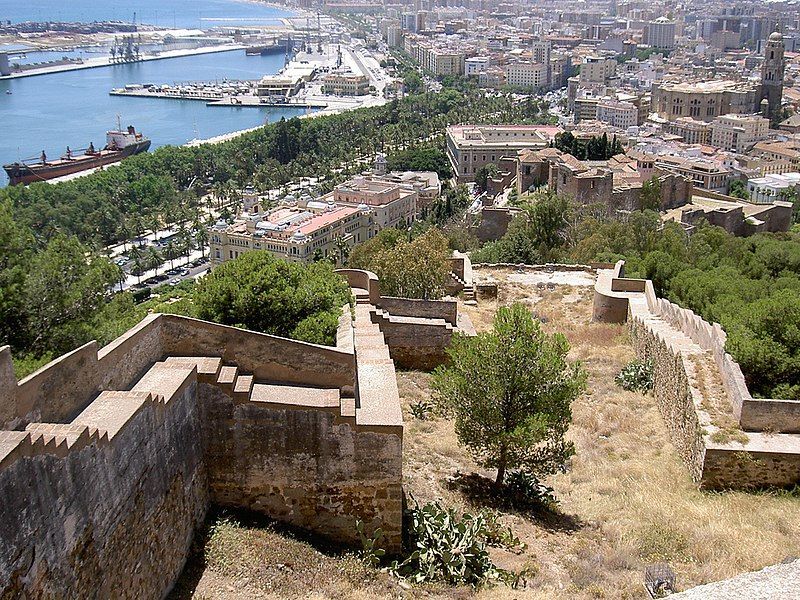
Perched atop a hill overlooking Malaga, Gibralfaro Castle provides panoramic views that are simply breathtaking. Constructed in the 14th century, this castle was originally built to protect the Alcazaba. Highlights include:
- A winding path leading visitors to its entrance
- Well-preserved defensive walls and towers
- An informative visitor center that explains the castle’s historical significance
Reaching Gibralfaro requires a bit of effort but rewards you with one of the best viewpoints in the city.
Roman Theatre
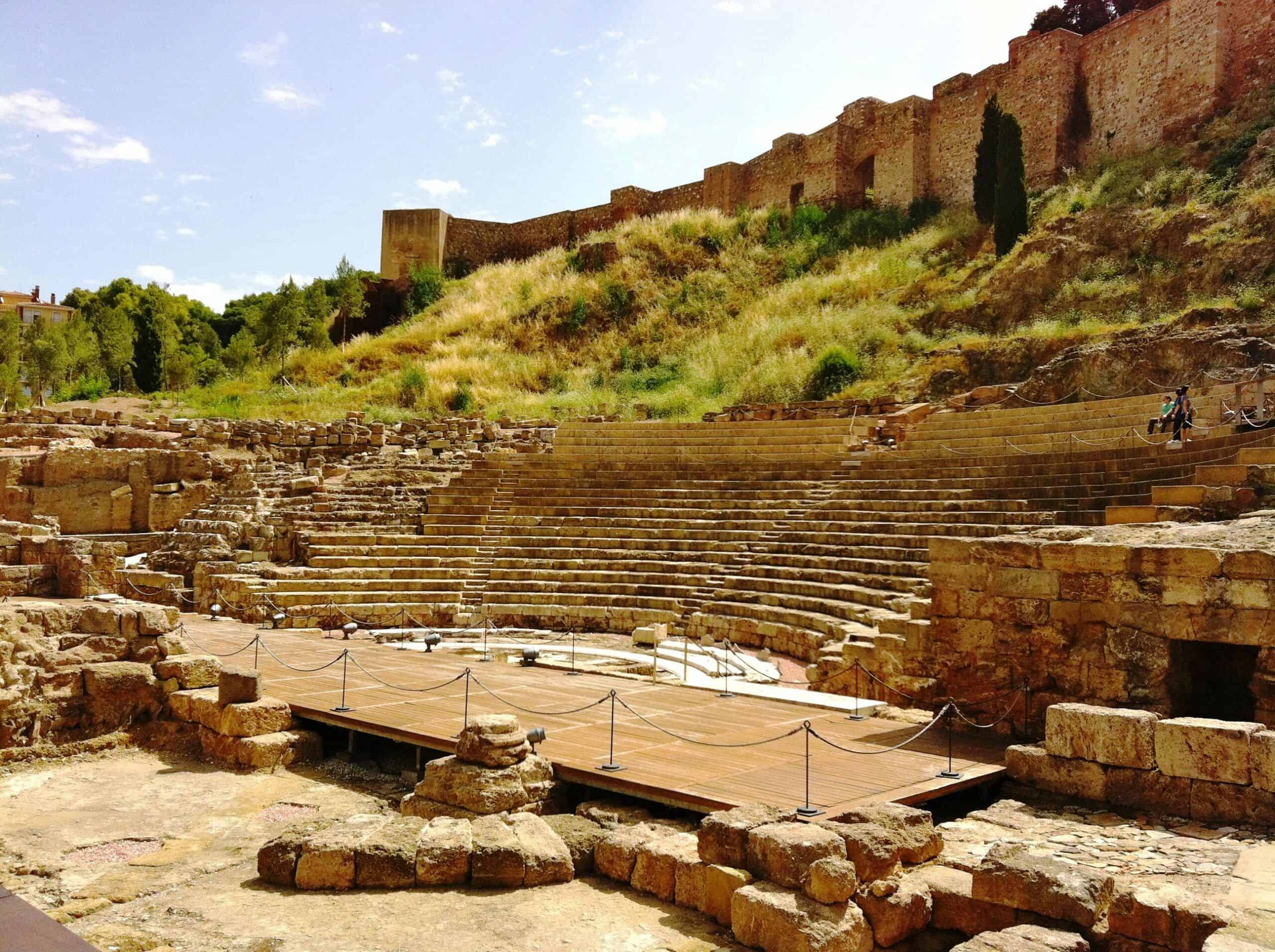
Located at the foot of the Alcazaba lies the Roman Theatre, an archaeological gem dating back to the 1st century BC. This site is notable for:
- Its impressive seating capacity for up to 2,000 spectators
- Well-preserved remnants that showcase Roman engineering
- Interactive exhibits that provide context about its use during ancient times
The theatre serves as a reminder of Malaga’s importance during Roman rule and offers visitors insight into community life during that era.
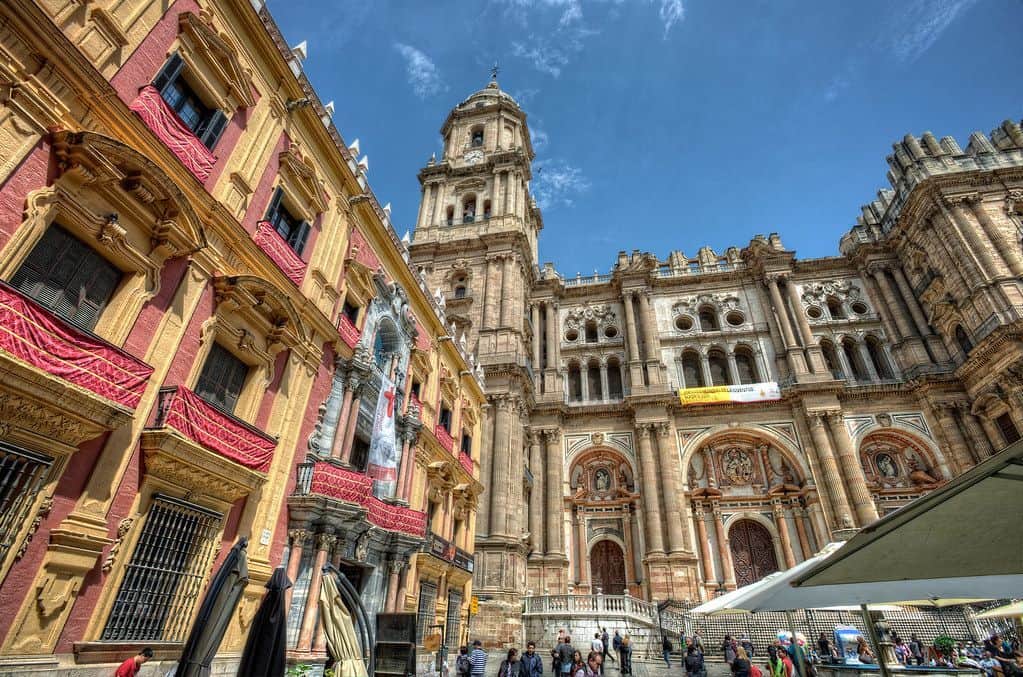
Malaga Cathedral
Known as “La Manquita” or “the one-armed lady,” Malaga Cathedral is an architectural masterpiece blending Renaissance and Baroque styles. Key features include:
- A stunning façade adorned with intricate sculptures
- An impressive bell tower reaching nearly 90 meters high
- Beautiful chapels containing valuable artworks from various periods
Exploring this cathedral allows you to appreciate not only its beauty but also its historical significance as a religious center.
Book your Malaga tour
Exploring Historical Context
Engaging with these landmarks reveals more than just their physical attributes; it tells stories about how different cultures shaped Malaga’s identity over centuries. Each structure serves as a portal into another time, allowing you to envision life as it was lived by those who came before.
Walking tours focused on historical treasures offer an immersive way to connect with Malaga’s past. As you traverse through cobblestone streets and admire monumental architecture, you’ll gain a deeper understanding of how history intertwines with daily life in this vibrant city. Embracing these experiences fosters appreciation for cultural heritage while enriching your visit.
These walking tours enable you to discover how each civilization has contributed uniquely to allowing modern visitors like you to experience this beautiful coastal city—an adventure filled with stories waiting to be unveiled at every turn.
2. Discovering Artistic Heritage through Walking Tours
Malaga’s artistic legacy is intricately woven into its vibrant streets, significantly influenced by the renowned painter Pablo Picasso. Born in this coastal city in 1881, Picasso’s early experiences shaped his innovative approach to art. His father, a professor of drawing, introduced him to various techniques at a young age, fostering a talent that would later transform the art world.
Pablo Picasso: A Brief Biography
- Birth and Early Life: Picasso was born on October 25, 1881, in a modest house near the Plaza de la Merced. His childhood in Malaga was marked by exposure to local culture and artistic influences.
- Artistic Development: By age seven, he had already created his first painting. His family moved to Barcelona when he was a teenager, leading him into the avant-garde movements that defined his career.
- Return to Roots: Despite his extensive travels and success in cities like Paris, Picasso maintained a profound connection to his birthplace. This bond is evident in many of his works that reflect Spanish themes and emotions.
Museums Dedicated to Picasso’s Work
Walking through Malaga, you will encounter several museums dedicated to celebrating Picasso’s artistic journey:
- Picasso Museum (Museo Picasso Málaga):
- Housed in the Palacio de Buenavista, this museum showcases over 200 works from different periods of Picasso’s career.
- Notable exhibits include paintings, sculptures, ceramics, and drawings that illustrate his evolution as an artist.
- Casa Natal de Pablo Picasso:
- The very place where Picasso was born is now a museum dedicated to his life.
- Visitors can explore photographs, documents, and personal items that provide insight into his early years.
- Centro Pompidou Málaga:
- This vibrant cultural center features contemporary art pieces alongside works by Picasso.
- Its colorful glass cube serves as an iconic landmark on the waterfront.
Other Artistic Installations and Hotspots
Beyond museums, Malaga boasts numerous installations and galleries that celebrate not only Picasso but also other artists:
- Carmen Thyssen Museum:
- Focused on 19th-century Spanish paintings, this museum complements the modernity of Picasso’s work with historical pieces.
- Museum of Contemporary Art (CAC Málaga):
- A hub for modern art lovers featuring rotating exhibitions from both local and international artists.
- Street Art:
- As you stroll through neighborhoods like Soho Málaga, keep an eye out for impressive murals that showcase the city’s contemporary artistic scene.
Guided Tours Focused on Art
Several guided walking tours delve deeper into Malaga’s artistic heritage:
- Picasso Walking Tour:
- This specialized tour takes you through significant locations linked to Picasso’s life.
- Guides share stories about his childhood and how it influenced his work while showcasing nearby landmarks.
- Art & Tapas Tour:
- Combine your love for art with culinary delights on this unique experience.
- Explore galleries followed by tastings of local dishes at nearby tapas bars.
Tips for Exploring Artistic Heritage
Embrace the artistic spirit of Malaga by considering these suggestions:
- Allocate time for each museum visit; some may require advance booking for specific exhibits.
- Wear comfortable shoes since walking tours can span several hours and cover diverse terrains.
- Engage with local guides who can offer deeper insights into Malaga’s art scene beyond what is mentioned in written materials.
Walking tours centered around Malaga’s artistic heritage offer a rich tapestry of history interwoven with creativity. Engaging directly with art allows you to grasp the essence of Malaga beyond its historical landmarks. The vibrant connection between the city and its most famous son invites you to explore further into this cultural haven.
3. Types of Walking Tours Available
Exploring Malaga on foot opens up a variety of walking tour options that cater to different interests and preferences. Whether you prefer a guided experience or wish to chart your own path, there is something for everyone.
Guided Tours
Joining a guided walking tour offers several advantages:
- Expert Knowledge: Local guides provide rich insights into the history, culture, and architecture of Malaga, enhancing your understanding of the sites you visit.
- Structured Experience: These tours are well-organized, ensuring you cover significant landmarks and hidden gems within a limited timeframe.
- Social Interaction: Guided tours allow you to meet fellow travelers, making it easier to share experiences and tips.
Guided tours typically include popular routes such as:
- Alcazaba and Gibralfaro Castle: Learn about the Moorish influence while enjoying breathtaking views.
- Roman Theatre: Discover the remnants of Roman civilization right in the heart of the city.
- Atrazanas market. Visit the famous local farmer´s market
- Culinary Stops: Many guided tours incorporate food tastings at local eateries, offering a glimpse into Malaga’s gastronomic scene.
Self-Guided Tours
Creating your own self-guided tour can be equally rewarding. With the help of mobile apps, you can navigate through Malaga at your own pace. Advantages include:
- Flexibility: You choose when to start and how long to spend at each location, allowing for spontaneous exploration.
- Personal Interests: Tailor your itinerary to match your specific interests, whether they lie in history, art, or food.
- Cost-effective: Self-guided tours often require no fees aside from entry tickets to attractions.
Apps like Google Maps or specialized tourism apps can assist in plotting your route efficiently. You can highlight major sites such as:
- Plaza de la Constitución
- Calle Larios
This flexibility can lead to unexpected discoveries and unique interactions with locals.
Themed Walking Tours
For those with specific interests, themed walking tours present an exciting way to delve deeper into particular aspects of Malaga’s culture. Notable themes include:
- Culinary Experiences: These tours focus on tasting local cuisine while learning about traditional dishes and where they originated from. Enjoy wine tastings paired with tapas or visit markets showcasing fresh produce.
- Examples of culinary-themed walking tours include:
- Tapas Tour: Sample various tapas across different bars while gaining insight into local dining customs.
- Wine Tasting Tour: Visit local bodegas (wineries) where you can taste regional wines alongside delicious food pairings.
- Street Art Tours: Discover contemporary murals and installations that tell stories about the city’s evolution.
- Historical Walks: Focus on events that have shaped Malaga throughout centuries.
Choosing Your Tour
Deciding between guided and self-guided options depends on personal preference and travel style. Consider what you hope to gain from your experience in Malaga. Whether immersing yourself in local cuisine or uncovering historical narratives, these walking tour types enrich your visit.
Equipped with this knowledge, you’re ready to embark on an unforgettable journey through Malaga’s vibrant streets. Each type of tour offers unique perspectives and experiences that will deepen your appreciation for this captivating city.
4. Practical Tips for Walking Tours in Malaga
Walking tours in Malaga can be an enriching experience, particularly when you come prepared. Understanding the best time to visit Malaga and ensuring you have the right gear and essentials will enhance your exploration of this vibrant city.
Ideal Seasons for Walking Tours
Malaga boasts a Mediterranean climate that makes it a fantastic destination year-round. However, certain seasons stand out as particularly favorable for walking tours:
- Spring (March to May): This season is ideal for walking tours. The weather is pleasantly warm, with daytime temperatures averaging between 18°C to 25°C (64°F to 77°F). The blooming flowers add beauty to your strolls, making it a picturesque time.
- Fall (September to November): Similar to spring, fall offers comfortable temperatures ranging from 20°C to 27°C (68°F to 81°F). The summer crowds start to dissipate, allowing for a more relaxed experience while exploring the city’s landmarks.
- Summer (June to August): While this season attracts many tourists, daytime temperatures can soar above 30°C (86°F). If you opt for walking tours during summer, consider starting early in the morning or later in the evening when temperatures are cooler. Hydration becomes essential during these hotter months.
- Winter (December to February): Winters in Malaga are mild compared to other European cities, with average temperatures around 10°C to 17°C (50°F to 63°F). While fewer tourists visit during this time, some attractions may have shortened hours.
Comfort and Essentials for Walking Tours
To make the most of your walking experience in Malaga, prioritize comfort and pack wisely. Here are essential items you should consider:
- Comfortable Shoes: Invest in good-quality walking shoes that provide support and cushioning. Cobblestone streets and uneven surfaces can be challenging; reliable footwear will help avoid discomfort.
- Weather-Appropriate Clothing: Light layers work best in spring and fall when temperatures fluctuate throughout the day. In summer, wear breathable fabrics like cotton or moisture-wicking materials. For winter visits, a light jacket will suffice.
- Sunscreen and Sunglasses: Protect yourself from the sun’s rays—especially during the peak summer months. A wide-brimmed hat adds extra protection while enhancing your comfort.
- Water Bottle: Stay hydrated while exploring. Fill up at public fountains found throughout the city or carry a reusable bottle with you.
- Mobile Phone with Maps App: If you’re on a self-guided tour, having access to maps and information is crucial. Offline maps can save battery life—consider downloading them before your journey begins.
Safety Tips While Exploring
Safety is paramount when wandering through Malaga’s streets. Keep these tips in mind:
- Stay Aware of Your Surroundings: Pay attention to your surroundings and avoid distractions such as excessive phone use while walking.
- Personal Belongings: Keep bags close and secure. In crowded areas or markets, be mindful of pickpockets; use anti-theft backpacks or bags if possible.
- Stick to Well-Lit Areas: When walking after dark, choose well-lit streets and avoid isolated areas. Major tourist spots are generally safe but exercise caution as you would anywhere else.
Engaging fully with Malaga’s history and culture through walking tours creates unforgettable memories. Having practical knowledge about timing, essentials, and safety ensures that your adventure remains enjoyable and safe as you uncover all that this beautiful city has to offer.
Conclusion
Walking tours in Malaga offer a unique opportunity to immerse yourself in the city’s rich history and vibrant culture. Strolling through the streets allows you to connect with the essence of Malaga, where every corner tells a story. By choosing to explore on foot, you engage with the city on a personal level, making discoveries that can easily be overlooked when traveling by car or public transport.
Embrace Historical Explorations
Malaga’s 2800-year history is a tapestry woven by different civilizations. From the Phoenicians to the Romans and Moors, each culture has left its mark on the city’s architecture and urban layout. Walking tours in Malaga provide you with firsthand exposure to landmarks like:
- The Alcazaba: This well-preserved Moorish fortress stands as a testament to the city’s Islamic heritage.
- Gibralfaro Castle: Offering breathtaking views of Malaga, this castle’s historical significance resonates with every step taken along its ancient paths.
- Roman Theatre: Dating back to the 1st century BC, this site embodies Malaga’s Roman roots and offers insight into its ancient past.
- Malaga Cathedral: A stunning blend of Gothic and Renaissance architectural styles, it reflects the transformation of religious practices over centuries.
Each landmark serves as a chapter in the story of Malaga, inviting you to explore deeper and learn more about its past.
Art and Culture Await
For art enthusiasts, walking tours also highlight Malaga’s artistic legacy, particularly its connection to Pablo Picasso. As you wander through the city, visit:
- Picasso Museum: Dedicated to his works and life, this museum showcases an extensive collection that captures his evolution as an artist.
- Street Art Installations: Throughout Malaga, vibrant murals tell contemporary stories while paying homage to traditional themes.
Experiencing these artistic expressions during your walking tour enhances your understanding of Malaga not only as a historical hub but also as a contemporary cultural haven.
Tailored Experiences for Everyone
Whether you prefer guided adventures or self-guided journeys using mobile apps, options abound for exploring this beautiful city. Consider these choices:
- Guided Walking Tours: Local experts provide insights that enrich your experience. They often share hidden gems that aren’t found in guidebooks.
- Self-Guided Tours: With apps at your disposal, you can curate your own itinerary based on your interests.
Culinary-themed walking tours are also worth considering. These tours allow you to taste local flavors while learning about Malaga’s culinary traditions, such as wine and tapas tasting sessions. Enjoying delicious food enhances your exploration, creating memorable experiences that satisfy both appetite and curiosity.
Don’t Miss Out
The pleasant climate year-round makes walking an enjoyable way to discover Malaga’s neighborhoods and coastal views. Comfortable shoes are essential for traversing cobblestone streets and navigating various terrains throughout your journey.
Your walking tour will unveil layers of history and culture that make Málaga unique. Engage with locals who share their stories, savor authentic cuisine that reflects regional flavors, and take countless photographs capturing moments along the way.
As you plan your visit, keep in mind that these walking tours are not just activities; they are gateways into understanding what makes Malaga special. You will walk away with deeper knowledge of the city’s heritage while developing cherished memories along the way.
Explore the charm of Malaga city walking tours—each step brings new discoveries waiting for you around every corner. Embrace this adventure; let each tour reveal another facet of this remarkable city filled with rich history and vibrant culture.
Book your Malaga tour
FAQs (Frequently Asked Questions)
What is the significance of walking tours in Malaga?
Exploring Malaga on foot is the best way to experience its vibrant history and diverse culture. Walking tours allow visitors to immerse themselves in the city’s rich heritage and discover its must-see landmarks.
What are some must-see historical landmarks in Malaga?
Some iconic sites that showcase Malaga’s rich past include the Alcazaba, Gibralfaro Castle, Roman Theatre, and Malaga Cathedral. These landmarks reflect the city’s 2800 years of history and architectural influences.
How is Pablo Picasso connected to Malaga?
Pablo Picasso was born in Malaga, and his artistic legacy is celebrated throughout the city. Visitors can explore museums dedicated to his work, such as the Picasso Museum, which features various art installations related to his life and contributions.
What types of walking tours are available in Malaga?
In Malaga, you can find guided tours, self-guided tours using mobile apps, and themed walking tours. There are also culinary-themed walking tours that offer a taste of local cuisine while exploring the city.
When is the best time to go on a walking tour in Malaga?
The ideal seasons for walking tours in Malaga are spring and fall when the climate is more comfortable. It’s important to consider weather conditions to enhance your walking experience.
What should I prepare for a walking tour in Malaga?
It’s essential to wear comfortable shoes suitable for walking. Additionally, bring along essentials like water, sunscreen, and a map or mobile app for navigation. Always prioritize safety while exploring the streets of Malaga.
Conclusion
In conclusion, exploring Malaga through walking tours reveals the city’s rich tapestry of history and culture, from its Phoenician roots to Moorish marvels. Each step unveils architectural wonders and vibrant neighborhoods, allowing you to experience the essence of Malaga in a personal and immersive way. The main benefit of these tours is the unique opportunity to connect deeply with the city’s past while enjoying its lively present. Don’t miss out on this adventure—lace up your walking shoes and embark on a journey through Malaga’s enchanting streets. Your exploration awaits, promising memories that will last a lifetime!