Tapas aren’t a starter course. They’re not a side dish. In Andalusia, tapas are a social ritual — the thing you do for an hour before dinner, moving between bars with a drink in hand while plates of food appear and disappear. Getting this right takes a bit of local knowledge. Here’s how it actually works.
🎯 Key Takeaways
- Tapas in Málaga are paid (€2.50–€5 each) — unlike Granada, where they’re free with every drink.
- The ritual is tapeo: one drink + one or two tapas per bar, then move on. Three bars is a full evening.
- Key Andalusian tapas to order: boquerones en vinagre, berenjenas con miel, gambas al ajillo, croquetas, puntillitas.
- Lunch is the main meal (2–4 PM). Tapas happen before dinner, from 8:30 PM onwards.
- The best tapas streets in Málaga: around Plaza de la Merced, Calle Granada, the Soho district.
⚡ TL;DR
Tapas in Andalusia is a social ritual — tapeo — not a dining format. One drink and a couple of small plates per bar, then you move on. In Málaga, you pay for each tapa (€2.50–€5). In Granada, they’re free with every drink. This guide covers the history, the etiquette, the best Andalusian dishes to order, and how tapas culture differs between cities.
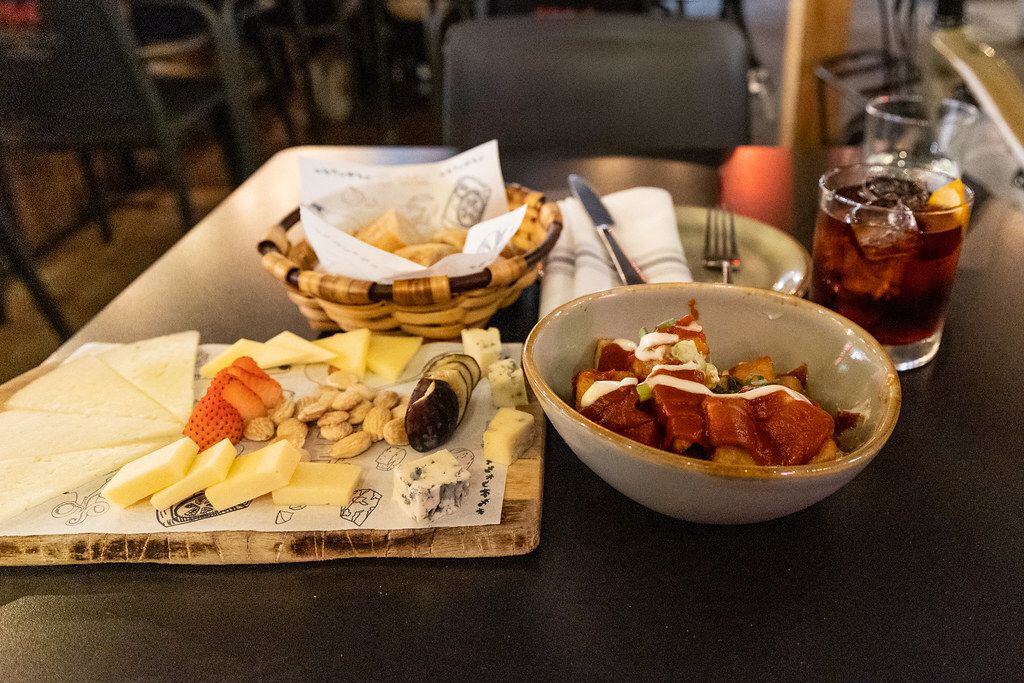
Table of Contents
The Art of Tapas in Andalusia: A Local’s Guide to Doing It Right
The word tapa means “lid” or “cover.” The most popular origin story goes like this: King Alfonso XIII stopped at a tavern in Cádiz in the early 1900s, ordered a glass of sherry, and the barman put a slice of cured ham on top of the glass to keep the flies out. The king liked it. Asked for another. The ham-on-glass became standard practice, then spread across Spain. Whether or not that story is true, the word stuck.
What didn’t stick is a single definition of what tapas actually means. In San Sebastián, they’re called pintxos and they’re small pieces of food skewered to bread. In Madrid, you pay for them. In Granada, they’re free. In Málaga, they’re a specific paid ritual with their own rhythms, their own dishes, and their own unwritten rules. Here’s what you actually need to know before you walk into your first bar.
What Is Tapeo?
Tapeo — the act of doing tapas, moving between bars — is its own verb in Spanish. You don’t “eat tapas.” You go de tapas, or you do a tapeo. The distinction matters because tapas aren’t really about food. They’re about the social experience of being in a series of bars over the course of an evening, with food appearing as a side effect of drinking.
The typical tapeo structure:
- Arrive at a bar. Order one drink (beer, wine, vermouth, soft drink — doesn’t matter). Get a tapa or order one or two small plates.
- Stay for 20–40 minutes. Talk. Eat slowly. Don’t rush.
- Move to the next bar. Repeat.
- After three or four bars, you’ve had enough food and drink for what most tourists would call “dinner.”
That’s it. The art is in the moving. Sitting at one bar for two hours and working through the menu isn’t tapeo — that’s just dinner with small plates. Real tapeo means covering ground. Three bars minimum. Five is a proper night out.
Málaga vs. Granada: The Key Difference
This trips up almost every visitor. In Granada, tapas are free with every drink. Order a beer, a plate of food arrives. Order another beer, another plate — usually larger. By the third drink you’ve had a full meal for the price of three beers. It’s the last major Spanish city where this tradition holds.
In Málaga, you pay for tapas. A tapa in Málaga costs €2.50–€5 depending on the dish and the bar. A ración (a larger sharing portion of the same dish) costs €8–14. Nobody gives you food for free, but the prices are fair and the quality is generally better than the Granada free-tapa model.
This isn’t Málaga being stingy. The food in Málaga tapas bars is genuinely good — the city has excellent fresh fish from the port, serious local wine culture, and restaurants where the chef actually trained somewhere.
What to Order: The Andalusian Tapas Canon
Some dishes appear on every menu across Andalusia. Others are specific to Málaga. Here’s what’s worth ordering:
The Málaga classics
- Boquerones en vinagre — fresh anchovies marinated in white vinegar, garlic, and parsley. Eaten cold. One of the best things on any menu in Málaga. Order these.
- Berenjenas con miel de caña — fried aubergine slices drizzled with sugarcane molasses. Sweet, crispy, slightly addictive. A Málaga speciality that other regions don’t really do.
- Pescaíto frito — mixed fried fish (anchovies, baby squid, small sole) in light batter. The oil matters — you want olive oil, not vegetable. A good bar uses the right oil.
- Puntillitas — baby squid, fried whole. Crispier and more intensely flavoured than calamari rings.
- Gambas al ajillo — prawns sautéed in olive oil with garlic and a dried chilli. Arrives in a small clay dish, still sizzling. The oil in the dish is for bread.
- Espetos de sardinas — sardines threaded on a cane skewer and grilled over driftwood. Only available at beachfront chiringuitos (restaurants on the beach) in Pedregalejo and El Palo, not in the city centre bars. A completely different experience.
Andalusian standards worth ordering anywhere
- Croquetas — usually jamón (cured ham) or bacalao (salt cod). Creamy béchamel filling, very lightly battered. Every bar has them; quality varies wildly. If you can see them being made fresh, that’s the bar to trust.
- Salmorejo cordobés — a thick cold tomato cream from Córdoba, topped with hard-boiled egg and jamón ibérico. Similar to gazpacho but much denser — eaten with a spoon, not drunk.
- Patatas bravas — fried potatoes with a spicy tomato sauce, sometimes with aioli. Simple but very telling of a bar’s quality. Bad bravas use pre-frozen potatoes and bottled sauce.
- Jamón ibérico — cured Iberian ham, sliced thin. Nothing else on the menu depends as much on the supplier. The best jamón ibérico de bellota (acorn-fed) is extraordinary; the cheapest jamón serrano tastes like salty rubber. Ask which one before ordering.
What to drink with tapas
- Beer (cerveza): the default. A caña is a small draught beer (around 200ml). A tubo is a taller glass. In Málaga, the local beer is Cruzcampo.
- Local wine: Málaga has its own DO wine region and the Ronda zone produces excellent reds and whites. Ask for vino de la tierra (local wine) rather than the house table wine from a carton.
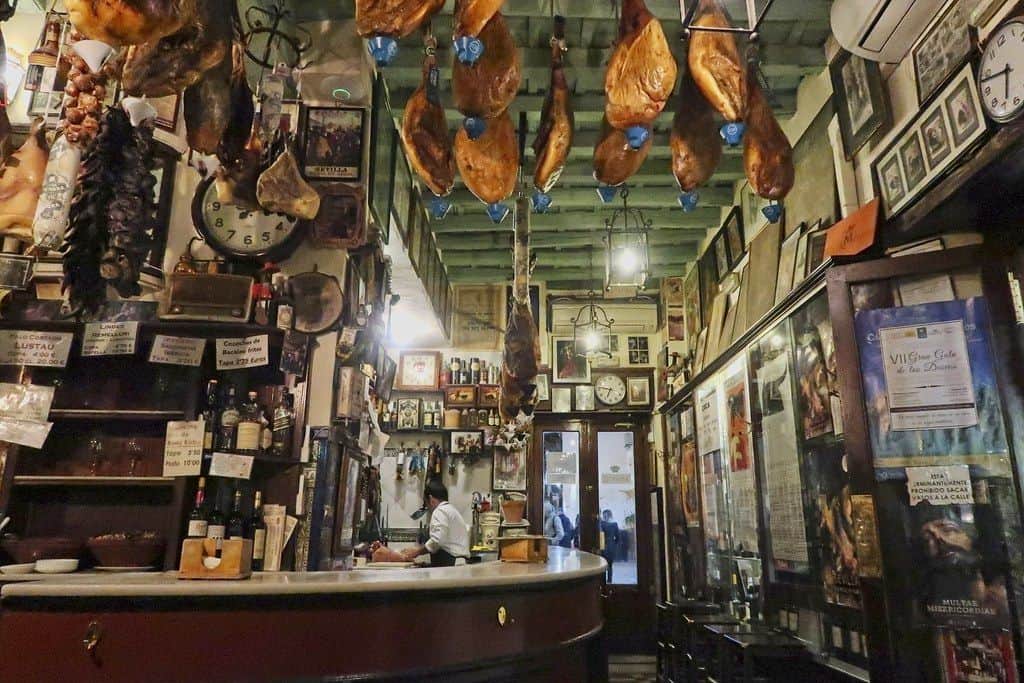
- Vino dulce de Málaga: Málaga’s sweet wine made from Pedro Ximénez or Moscatel grapes. Drunk as an aperitif or with dessert. The best place to try it is Antigua Casa de Guardia (since 1840), where they chalk your tab on the wooden bar.
- Vermouth (vermut): having a renaissance across Spain. Good vermouth bars serve it on ice with an olive. A pre-lunch ritual as much as an evening one.
- Tinto de verano: red wine mixed with lemon Fanta or sparkling water. Lighter than sangría, actually what Spaniards drink in summer.
The Unwritten Rules of Spanish Tapas Bars
There are a few things you’d only know if someone told you. Consider this that conversation.
Standing at the bar is normal and often preferred
In a busy tapas bar, the bar itself is where the action is. You can see what other people are ordering, make eye contact with the barman faster, and leave more easily. Sitting at a table signals “I’m here for a while and I want full table service” — which changes the pace of the evening.
You don’t tip the way you think
Tipping isn’t expected in the same way as the US. At a tapas bar, it’s common to leave the small coins from your change — rounding up to the nearest euro. At a proper restaurant, 5–10% for good service. Nobody will be offended if you don’t tip; nobody will be surprised if you do.
The bill isn’t rushed
Unlike restaurants in some countries, Spanish bars won’t bring you the bill until you ask for it — “la cuenta, por favor.” This is intentional. You’re not being ignored; you’re being given time. Ask when you’re ready.
Ordering in Spanish is appreciated, not expected
Most Málaga tapas bars can handle English. A few basic phrases go a long way:
- “Una caña, por favor” — a small beer please
- “¿Qué recomienda?” — what do you recommend?
- “Una de boquerones, por favor” — one order of anchovies please
- “La cuenta, por favor” — the bill please
Lunchtime tapas are often the best value
Most bars do a menú del día — a daily fixed lunch menu with starter, main, dessert, and a drink for €12–18. Not glamorous, but it’s how local workers eat lunch every weekday, and the food is usually excellent. Available from 1:30 PM to about 4 PM.

The Best Areas for Tapas in Málaga
Avoid Calle Larios. It’s the main pedestrian shopping street and the food is aimed at tourists who don’t know better. These are the areas locals actually go:
Around Plaza de la Merced (Centro)
This is the square where Picasso was born. The streets around it — Calle Granada, Calle Fresca, Calle Beatas — are thick with tapas bars. Mix of traditional and modern. La Tranca on Calle Beatas is one of the most authentically Malagueño bars you’ll find in the city centre: vermouth on tap, jamón hanging from the ceiling, orders shouted across a room that’s too small.
El Pimpi and the Alcazaba zone
El Pimpi has been open since 1971. It’s touristy by now, but the terrace facing the Roman theatre is genuinely one of the best spots in the city for an evening drink, and the food — salmorejo, berenjenas con miel, presa ibérica — is real. Worth one visit. The surrounding streets have good independent bars.
Soho district
South of the historic centre, Málaga’s Soho is where the newer places are. KGB does modern Andalusian tapas at a level that regularly gets national press coverage. TaBerna Uvedoble is similar — chef-driven, interesting wine list, small plates that actually have something to say.
Pedregalejo (for espetos)
This is a different animal entirely. Not city tapas bars — beachfront chiringuitos on a stretch of coast 15 minutes east of the centre by bus (#11 from Paseo del Parque). The specific experience here is espetos de sardinas: six sardines threaded on a cane, salted, grilled over a driftwood fire right on the beach. Best from May to October when sardines are fattest. El Tintero, El Cabra, and Marisquería Godoy are the best-known.
Tapas vs. Pinchos vs. Raciones — What’s What
| Term | What it is | Where | Typical price |
|---|---|---|---|
| Tapa | Small portion, 2-4 bites | Andalusia, most of Spain | €2.50–€5 |
| Media ración | Half-portion, 4-6 bites | Most of Spain | €5–€9 |
| Ración | Full sharing plate | Most of Spain | €8–€16 |
| Pincho / Pintxo | Food skewered to bread, displayed on bar | Basque Country, Navarra | €2–€4 each |
| Montadito | Small open sandwich on bread | Andalusia, Sevilla | €1.50–€3 |
In Andalusia, you’ll most often order tapas at traditional bars and raciones for sharing at restaurants. If you’re doing a proper tapeo, one tapa per person per bar is about right.
Tapas in Ronda and the Mountain Towns
The Costa del Sol tapas scene and the inland tapas scene are genuinely different. In Ronda, Setenil, and the other pueblos blancos, the food is heavier — mountain ingredients, slower cooking, more pork. The five things you’ll find on every menu in the Serranía de Ronda:
- Rabo de toro — slow-braised oxtail. Ronda’s signature dish. A good one takes 6+ hours and falls off the bone.
- Migas rondeñas — fried breadcrumbs with chorizo, garlic, and peppers. Shepherd’s food.
- Queso payoyo — sheep’s milk cheese from the Sierra de Grazalema. Creamy, slightly sharp. Served with local honey.
- Chorizo al vino — chorizo cooked in local Ronda wine. Simple, deeply good.
- Plato de los montes — the mountain plate: chorizo, morcilla, fried egg, lomo, potatoes, green peppers. The meal that fuelled a generation of farmers. Still the right thing to eat after a morning of walking.
If you’re doing a day trip from Málaga to Ronda, the tapas bars around Plaza de España and on Calle Espinel are the best places to eat lunch. Budget about €25–35 per person for a proper lunch with wine.
The Atarazanas Market — Tapas at the Source
Málaga’s central market, in a 14th-century building with Moorish arches, is worth visiting even if you’re not cooking. The tapas bars inside the market — where you eat standing at a counter surrounded by the fish and produce stalls — serve whatever is freshest that morning. Fried fish, grilled prawns, oysters with lemon. Arrive before 1 PM. The market closes around 3 PM and the tapas bars close with it.
Frequently Asked Questions
What is tapas exactly?
Small plates of food, usually ordered one or two at a time alongside a drink. The word comes from tapa (lid) — the original tapas were pieces of bread or meat placed on top of drinks to keep flies out. Now it refers to any small portion served at a bar.
Are tapas free in Málaga?
No. In Málaga, you pay for tapas — €2.50–€5 per plate. Free tapas with every drink is a Granada tradition, not a Spain-wide one. Most of Andalusia charges for tapas, though prices are lower than in Madrid or Barcelona.
What time do people eat tapas in Spain?
There are two tapas windows: pre-lunch (12:30–2 PM, especially on weekends) and pre-dinner (8:30–10:30 PM). Dinner itself isn’t usually until 9:30–10:30 PM. Eating a full dinner at 7 PM marks you immediately as a tourist.
What’s the difference between tapas and pinchos?
Tapas are small plates, ordered from the kitchen. Pinchos (or pintxos in Basque) are small bites of food displayed along the bar counter, usually on bread with a skewer through them — you pick them up yourself. Pinchos are a northern Spain tradition; tapas are central and southern Spain.
How much does a tapas evening cost in Málaga?
Budget €25–€35 per person for a proper tapeo — three or four bars with one drink + one or two tapas at each. Less if you stick to beer and the cheaper plates; more if you’re ordering raciones or sharing larger dishes.
Where is the best tapas bar in Málaga?
Depends what you want. For atmosphere and history: El Pimpi or Antigua Casa de Guardia. For modern chef-driven tapas: KGB in the Soho district. For pure Malagueño local experience: La Tranca on Calle Beatas. For beach espetos: El Tintero or El Cabra in Pedregalejo. See our full Málaga restaurant guide for the complete picture.
Is the Málaga tapas scene vegetarian-friendly?
Better than it used to be. Vegetarian options at traditional bars: patatas bravas, salmorejo (check if they top it with egg and ham — ask for it sin jamón), berenjenas con miel, padron peppers, tortilla española, pan con tomate. Modern bars like KGB and TaBerna Uvedoble have proper vegetarian dishes.
What’s the difference between tapas in Málaga and Ronda?
Coast vs mountains. Málaga tapas lean heavily on fresh fish and seafood (boquerones, espetos, gambas, puntillitas). Ronda and the inland towns are pork-heavy — rabo de toro, migas, chorizo al vino, queso payoyo. Both are good; they’re just drawing on different ingredients.
Can I do a tapas tour in Málaga with a guide?
Yes — our private Málaga city tour can be customised as a food-focused walking tour, including stops at Atarazanas Market, Antigua Casa de Guardia, and a selection of tapas bars based on your preferences. From €250 per group.
Final Thoughts
The best version of tapas in Málaga happens on a weekday evening when you don’t have anywhere specific to be. Start at La Tranca for a vermouth. Move to El Pimpi for berenjenas con miel and a Pedro Ximénez on the terrace. Find something small and local on the way back. Don’t plan it too tightly. That’s the point. If you want a local to walk you through it, our private Málaga city tour can be shaped around the food — Atarazanas, the historic bars, the streets tourists tend to miss. From €250 per group.